The short version
- Hobbs is home to the Oil Conservation Division's District I office and a regional office of the New Mexico Workers' Compensation Administration, so both of the state agencies you deal with most are in town.
- New Mexico requires workers' comp at three or more workers. Where you hire a hand and where the job is principally based can decide which state's comp law applies, and New Mexico courts have applied New Mexico law to a Hobbs hand hurt on a Texas rig.
- Since 2003, NMSA 56-7-2 reaches indemnity agreements "foreign or domestic" for wells "within New Mexico," so a Texas choice-of-law clause in your MSA does not take New Mexico wells out of the statute.
- Lea County H2S wells near town carry extra rules under 19.15.11 NMAC, including fencing with locking gates within a quarter mile of a public area.
Hobbs in regulator terms: OCD District I and a WCA office
Hobbs is a regulatory hub for the New Mexico side of the Permian.
- Oil Conservation Division, District I. OCD lists its Hobbs office at 1625 N. French Drive. OCD forms list that address as District I, with District II in Artesia.
- Workers' Compensation Administration. The WCA keeps a regional office in Hobbs at 2120 North Alto. The WCA says its regional offices are where employers reach the ombudsman and safety programs and pick up forms.
Geologically, the New Mexico Bureau of Geology describes the giant Hobbs field of Lea County as sitting on the Central Basin Platform, with Permian San Andres production. Its 2024 basement-to-surface model of Eddy and Lea counties covers three provinces: the Delaware Basin, the Northwest Shelf and the Central Basin Platform. A Hobbs yard can send crews to all three in the same week, plus Texas.
For the Texas side of the basin, see Permian Basin contractor insurance.
| Agency | What it handles | Hobbs address |
|---|---|---|
| Oil Conservation Division, District I | Well permits, H2S plans, spills and C-141 reports | 1625 N. French Drive |
| Workers' Compensation Administration regional office | Ombudsman, safety program, WCA forms and posters | 2120 North Alto, Unit 3 |
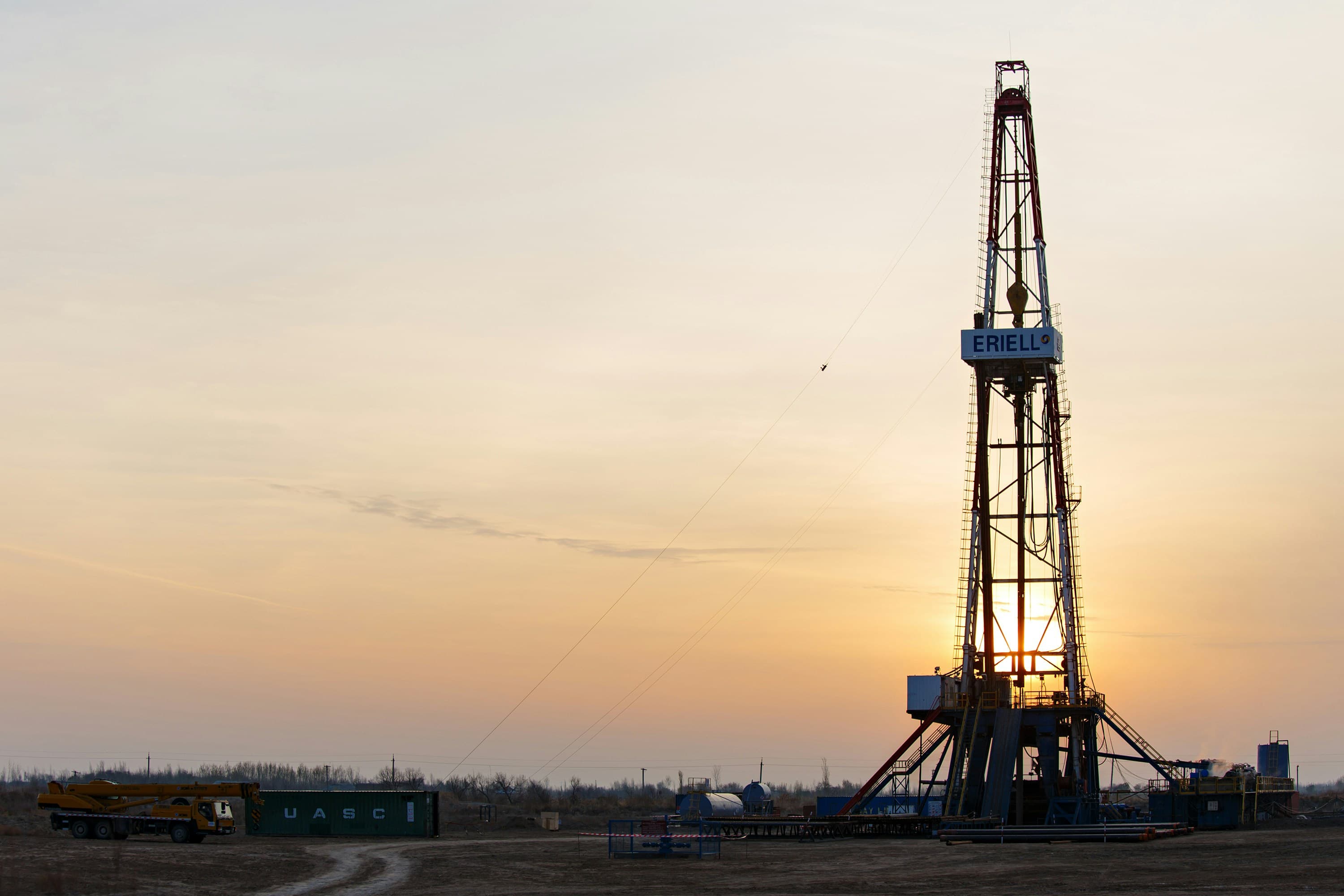
Permian
West Texas and southeast New Mexico
- Hydrogen sulfide (H2S) on many leases
- Produced water hauling and SWD traffic
- Long lease-road miles per truck
- New Mexico work needs out-of-state comp
Eagle Ford
South Texas
- Sand and frac traffic on rural roads
- Yards and equipment closer to Gulf storms
- Heavy summer heat exposure for crews
- Mixed oil, condensate and gas work
Haynesville
East Texas and northwest Louisiana
- Deep, high-pressure gas wells
- Louisiana work: different anti-indemnity law
- Louisiana workers comp is not optional
- Wet ground and timber-country access
Hiring in Hobbs, working in Texas: which comp law applies
New Mexico requires workers' compensation for every employer with three or more workers, and for any business doing work licensed under the Construction Industries Licensing Act, whatever its size. Texas does not force most private employers to carry it. For a Hobbs company, the line between those two systems runs right through your crews.
A Lea County case shows how it plays out. In Franklin v. Geo. P. Livermore, Inc. (N.M. 1954), a driller came to a hand's home in Hobbs and hired him as a roughneck on a rig in Texas, about 15 miles from Hobbs and 7.5 miles from the state line. The crew lived in Hobbs and drove to the rig. He was hurt five days later. The insurer paid Texas benefits for 15 weeks, and he then sued in Lea County under New Mexico law. The New Mexico Supreme Court held he was covered by New Mexico's act because he was hired in New Mexico.
That case was decided under an older statute. Today's extraterritorial section, NMSA 52-1-64, covers an injury outside New Mexico where, for example, the employment is principally localized in New Mexico, or the hand works under a contract of hire made in New Mexico for work not principally localized in any state. The lesson is the same: where you hire and where the work is based can pull New Mexico law in, even for a Texas job.
What that means for your policy:
- List both Texas and New Mexico on your workers' compensation policy if you hire in Hobbs or send crews either way across the line.
- Check that your employers liability limits match what the MSA asks for in each state. See employers liability coverage.
- If you run as a Texas nonsubscriber from a Texas address but hire hands in Hobbs, talk to us before the next hire.
Your MSA says Texas law. New Mexico wells still fall under 56-7-2
Many Hobbs contractors work under MSAs written in Houston or Midland with a Texas choice-of-law clause. New Mexico's oilfield anti-indemnity statute was amended with that in mind.
In 2003, the legislature rewrote NMSA 56-7-2(A) to reach "an agreement, covenant or promise, foreign or domestic," pertaining to a well "within New Mexico." For those wells, an indemnity is void to the extent it covers loss arising from:
- the sole or concurrent negligence of the indemnitee or its agents or employees,
- the sole or concurrent negligence of an independent contractor directly responsible to the indemnitee, or
- an accident in operations carried on at the direction or under the supervision of the indemnitee or its people, or by methods and means they specify.
Subsection C adds that a requirement to name someone as an additional insured, to waive subrogation, or otherwise to impose an indemnity duty through insurance is also void if the same thing written as a direct indemnity would be.
So one MSA can behave two ways. On a Texas well, Texas Chapter 127 governs and insurance-supported indemnity can be enforceable within limits. On a Lea County well, New Mexico's statute can cut back the indemnity and the insurance requirements that support it. Your attorney decides how the contract reads. We make sure your policies, endorsements and certificates match what the contract can actually require in each state. See Texas oilfield anti-indemnity act and indemnity vs additional insured.
H2S wells near town: what 19.15.11 NMAC adds
New Mexico's hydrogen sulfide rule, 19.15.11 NMAC, applies to anyone drilling, completing, working over or producing an oil or gas well, and to gathering and processing. Below 100 ppm H2S, no further action is required. At 100 ppm or more, the rule starts to bite, and several parts turn on how close the site is to people.
- Public areas and roads. A "potentially hazardous volume" exists if the 100 ppm radius of exposure reaches a public area, the 500 ppm radius reaches a public road, or the 100 ppm radius exceeds 3,000 feet. Public areas include homes, businesses, schools and parts of a town. That triggers a written contingency plan.
- Fencing. Well sites and unattended fixed facilities at 100 ppm or more must be fenced with locking gates when they are within a quarter mile of a public area.
- Workover and well servicing. Operations at 100 ppm or more need a detection sensing point as close to the wellbore as practical and a remote-controlled, H2S-rated well control system that works throughout the job.
- Training. People responsible for carrying out the contingency plan must be trained in H2S hazards, detection, personal protection and contingency procedures.
- Reporting. A release that activates the plan must be reported to OCD within four hours, with a full C-141 report within 15 days.
Around Hobbs, where wells and tank batteries sit close to homes and roads, these rules come up more often than out in open country. Operators will ask for your H2S training records. Your liability and pollution coverage should be checked for how they treat a gas release. See oilfield pollution liability and well servicing insurance.
What to send us from Hobbs
Send these and we can tell you quickly where your program stands for Lea County work:
- The insurance and indemnity sections of each MSA, including the choice-of-law clause.
- Your current certificates and the declarations pages for workers' comp, GL, auto and umbrella.
- Your workers' comp information page, so we can see which states are listed.
- A note on where you hire, where your yard is, and roughly how your work splits between New Mexico and Texas.
- Any ISNetworld or Avetta rejection notice.
A licensed insurance specialist reviews it, explains what fits the contract and what does not, and tells you what to fix before the next job. Coverage is placed through a licensed Texas insurance agency. Request a review.
Common questions
Is there an OCD office in Hobbs?
Yes. OCD lists its Hobbs office at 1625 N. French Drive, and OCD forms identify the Hobbs office as District I.
I hire hands in Hobbs for Texas jobs. Can New Mexico comp law apply?
It can. New Mexico's act covers some out-of-state injuries, for example where the employment is principally localized in New Mexico. In a 1954 Lea County case, a Hobbs hand hired at home for a Texas rig recovered New Mexico benefits. List both states on your WC policy.
My MSA picks Texas law. Does New Mexico's anti-indemnity statute still apply?
NMSA 56-7-2 covers agreements "foreign or domestic" for wells within New Mexico, so it is written to reach those wells regardless of where the contract was signed. Have your attorney review the clause for New Mexico work.
Does New Mexico void additional insured requirements?
Subsection C of 56-7-2 voids additional insured, waiver of subrogation and similar insurance provisions to the extent they would accomplish an indemnity the statute forbids.
Where is the Workers' Compensation Administration office in Hobbs?
The WCA lists a regional office at 2120 North Alto, Unit 3, in Hobbs. Regional offices connect employers with the ombudsman and safety programs.
Sources
- NM Oil Conservation Division: Contact us. Hobbs office at 1625 N. French Drive; Artesia office at 506 W. Texas.
- OCD Form C-102 from a Lea County well file. Form header lists District I in Hobbs and District II in Artesia.
- NM Bureau of Geology: Petroleum provinces of New Mexico. Giant Hobbs field of Lea County on the Central Basin Platform, San Andres production.
- NM Bureau of Geology OF-GM 318 (2024): 3D framework of the Delaware Basin, Eddy and Lea counties. Model covers the Delaware Basin, Northwest Shelf and Central Basin Platform.
- NM Workers' Compensation Administration guide. Three-or-more-workers and CILA rules; Hobbs regional office at 2120 North Alto.
- Franklin v. Geo. P. Livermore, Inc., 1954-NMSC-054. Hobbs hand hired at home for a Texas rig covered by the New Mexico act.
- NMSA 52-1-64, extraterritorial coverage. Coverage for out-of-state injuries where employment is principally localized in NM or hire is made in NM.
- NM SB 280 (2003), amending NMSA 56-7-2. "Foreign or domestic" and "within New Mexico" language; Subsections A through D; effective July 1, 2003.
- 19.15.11 NMAC, Hydrogen sulfide gas. Thresholds, public area definitions, fencing, workover equipment, training and reporting.
This page explains insurance, not law. Have your attorney review indemnity and contract language; our job is making the insurance match it.
Keep reading
Basin
What changes about my insurance when I work the Permian, including New Mexico?
Location
Working out of the Lea County seat: what should Lovington contractors watch in their insurance?
Contract requirements
What does the Texas Oilfield Anti-Indemnity Act mean for my MSA and my insurance?
Questions
What is employers liability coverage on a workers comp policy?
By trade
What insurance does a workover or well servicing rig need under an operator MSA?