The short version
- The RRC describes the Eagle Ford as a trend about 50 miles wide and 400 miles long, from the Mexican border into East Texas, lying within RRC Districts 1 through 6.
- Eagle Ford work is almost all Texas work, so Chapter 127 governs most indemnity: insurance-supported mutual indemnity is enforceable to the limits each side agreed to carry, and unilateral indemnity insurance is capped at $500,000.
- Heavy truck traffic for sand and water puts the auto policy at the center of the program, and TxDMV's $500,000 minimum for trucks over 26,000 pounds is well below what most MSAs require.
- Yards and parked equipment within reach of Gulf storms need flood and wind addressed on the equipment floater and property policy before the season, not after.
The Eagle Ford in Railroad Commission terms
The Railroad Commission describes the Eagle Ford shale as trending across Texas from the Mexican border into East Texas, roughly 50 miles wide and 400 miles long, at depths of about 4,000 to 12,000 feet. It averages about 250 feet thick "within Railroad Commission of Texas Districts 1-6." RRC lists 27 affected counties, including Atascosa, Dimmitt, Frio, Gonzales, Karnes, La Salle, Live Oak, McMullen, Webb, Wilson and Zavala.
The South Texas district offices are in San Antonio (Districts 1 and 2) and Corpus Christi (District 4).
Unlike the Permian or Haynesville, the Eagle Ford sits entirely in Texas. That makes the legal side simpler, and it puts more of the focus on trucks, roads, weather and the contracts themselves.
| RRC district | District office |
|---|---|
| District 1 | San Antonio |
| District 2 | San Antonio |
| District 4 | Corpus Christi |
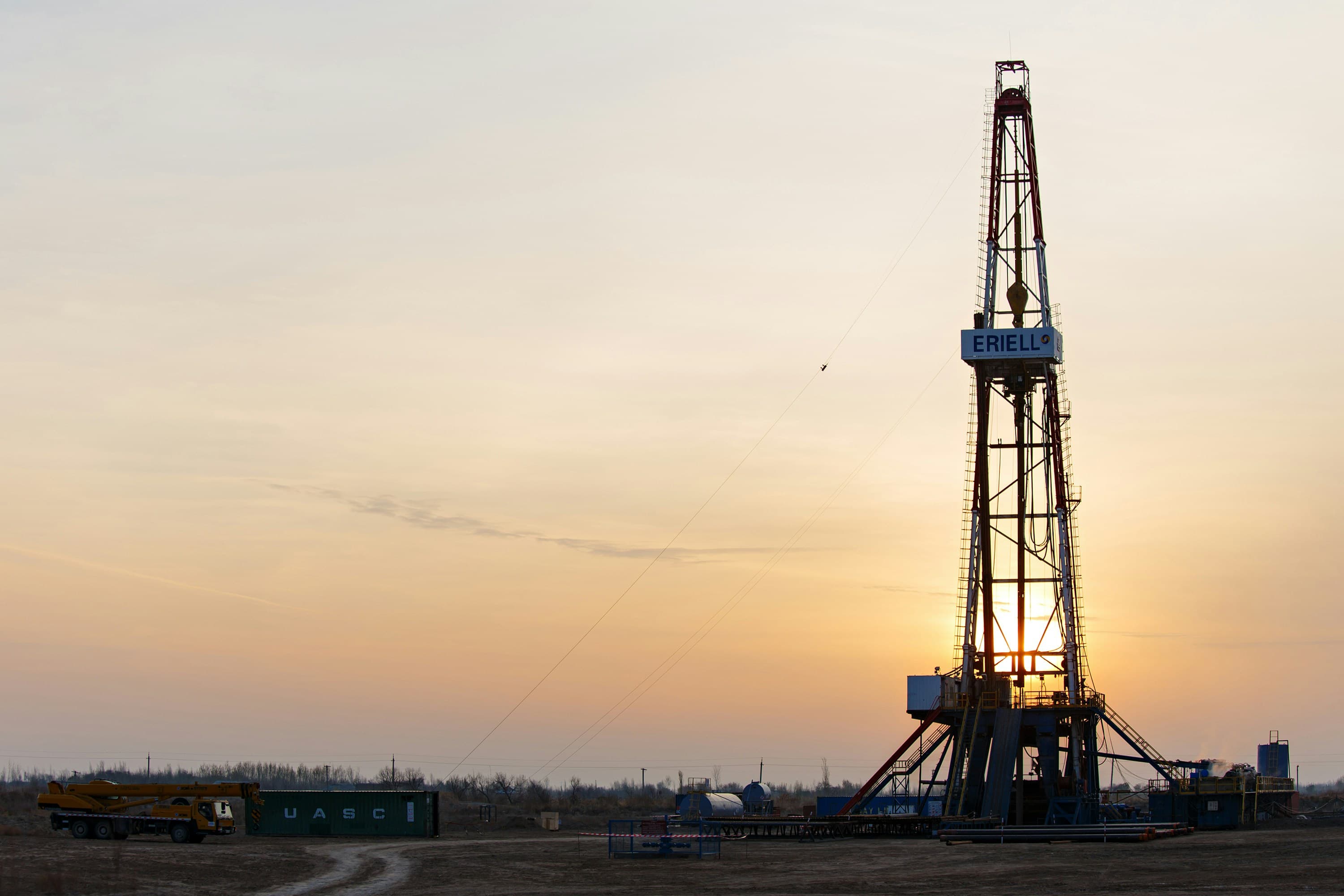
Permian
West Texas and southeast New Mexico
- Hydrogen sulfide (H2S) on many leases
- Produced water hauling and SWD traffic
- Long lease-road miles per truck
- New Mexico work needs out-of-state comp
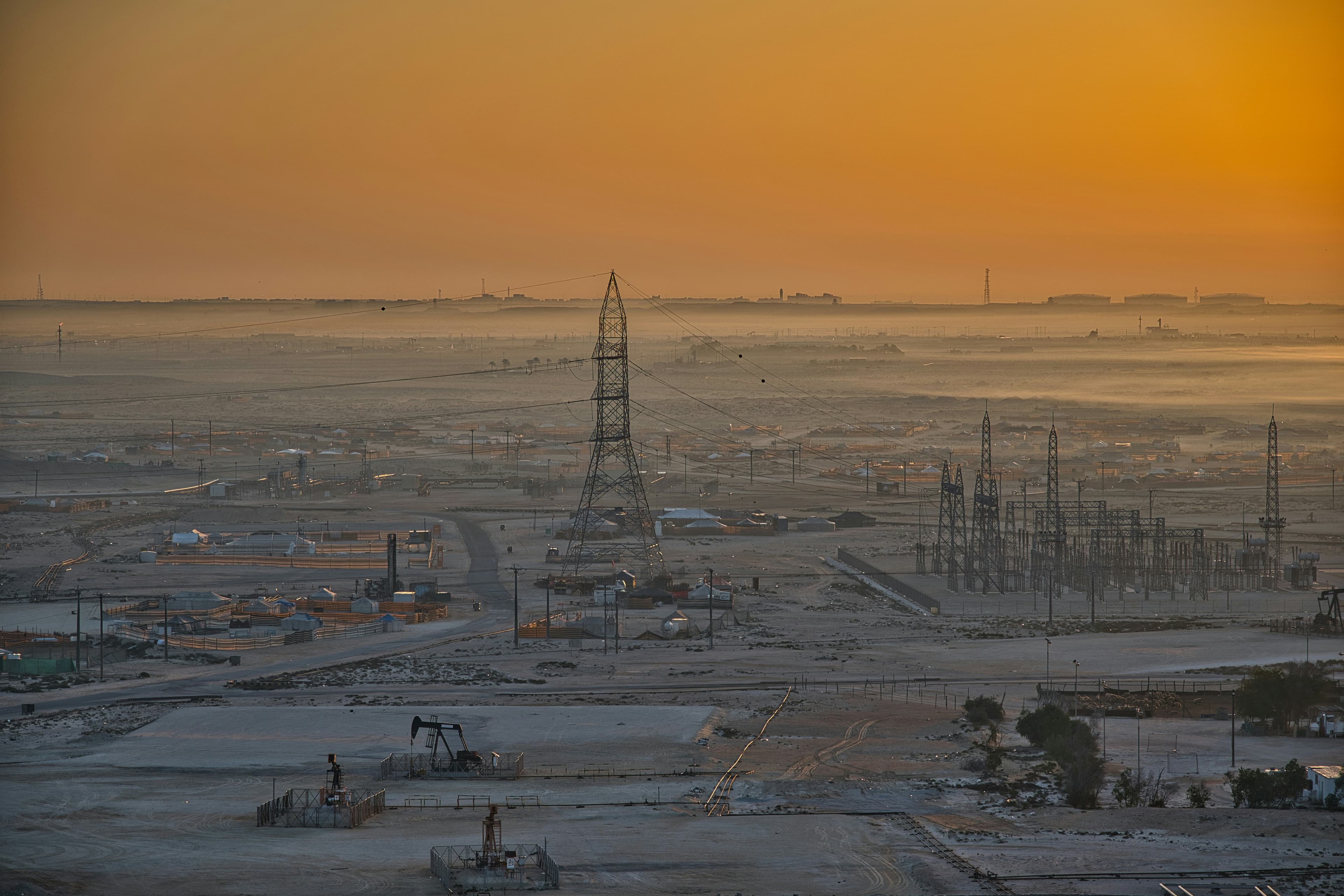
Eagle Ford
South Texas
- Sand and frac traffic on rural roads
- Yards and equipment closer to Gulf storms
- Heavy summer heat exposure for crews
- Mixed oil, condensate and gas work
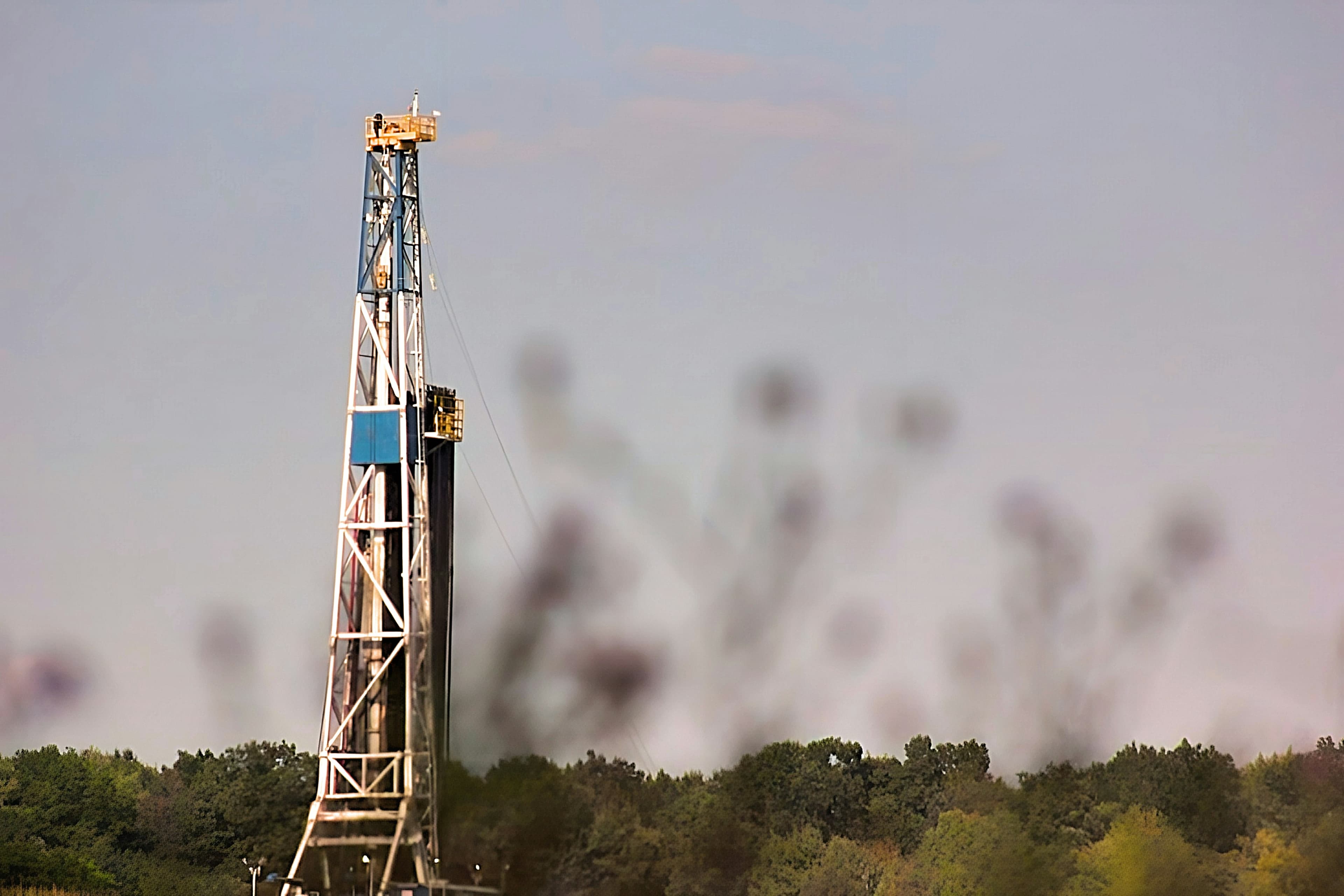
Haynesville
East Texas and northwest Louisiana
- Deep, high-pressure gas wells
- Louisiana work: different anti-indemnity law
- Louisiana workers comp is not optional
- Wet ground and timber-country access
All-Texas work means Chapter 127 governs your MSAs
Because Eagle Ford work stays in Texas, the Texas Oilfield Anti-Indemnity Act (Civil Practice and Remedies Code Chapter 127) is the law you live under for most MSAs.
The basics:
- The default rule (127.003). An agreement pertaining to a well is void to the extent it indemnifies someone against their own sole or concurrent negligence for personal injury, death or property injury.
- The insurance exception (127.005). The rule does not apply if the parties agree in writing that the indemnity will be supported by liability insurance the indemnitor furnishes.
- Mutual indemnity. The obligation is limited to the coverage and dollar limits each party agreed to obtain for the other.
- Unilateral indemnity. The amount of insurance required "may not exceed $500,000."
The definition of an agreement pertaining to a well is broad. It reaches agreements to render well or mine services and agreements to perform any part of those services or a collateral act, including furnishing or renting equipment. Roustabout work, water hauling to and from a lease, and equipment rental can all be in scope.
The practical point: in a mutual knock-for-knock MSA, the insurance limits you agree to carry for the operator effectively become your indemnity. If the MSA says $5,000,000 and you only have $2,000,000, you have a contract problem and a coverage problem at the same time. See Texas oilfield anti-indemnity act and does Chapter 127 require mutual insurance.
Sand, water and traffic: the auto policy carries the risk
Completion work brings frac sand, water, chemicals and equipment down two-lane farm-to-market roads, through small towns and across ranch roads that were not built for loaded trucks. For a lot of Eagle Ford contractors, auto ends up as the biggest and hardest part of the insurance program.
What to have straight:
- TxDMV registration. Texas intrastate carriers operating vehicles over 26,000 pounds, or hauling placarded hazardous materials, must register with TxDMV.
- Legal minimums vs MSA limits. TxDMV's minimum for private and for-hire carriers over 26,000 pounds is $500,000. Higher minimums apply to certain oil, hazardous waste and placarded hazmat loads. Operator MSAs commonly require $1,000,000 auto plus umbrella, so the legal minimum is rarely the number that matters.
- Waste hauling permits. Hauling non-hazardous oil and gas waste, including produced water, for hire off a lease requires an RRC waste hauler permit under Rule 8.
- Hired and non-owned. Crews driving personal trucks to location create exposure that the scheduled-auto policy does not pick up.
See oilfield auto insurance and MCS-90 and water hauling insurance.
Storms and floods: yards and parked equipment
Some Eagle Ford contractors keep yards toward the coast, and South Texas rain events can flood low ground fast. A tropical system moving inland can put a yard full of trucks, tanks and trailers under water.
Insurance questions to settle before storm season:
- Equipment floater flood and wind. Many contractors equipment floaters include flood, but some sublimit it or exclude it at certain locations. Confirm it in writing.
- Property policy deductibles. Some property policies use a separate windstorm or named-storm deductible, sometimes expressed as a percentage of value. Know what yours is.
- Autos parked in the yard. Flood damage to vehicles falls under comprehensive coverage on the auto policy, not the floater. If you dropped comprehensive on older units, they are uninsured for flood.
- Equipment on location. If a storm hits while equipment is on a lease, the floater still applies, and the knock-for-knock MSA likely leaves that loss with you.
Ranch land, landowners and surface damage
Much of the Eagle Ford is ranch country. Crews cross private land on lease roads, open and close gates, and work around livestock and fences.
That creates third-party property damage claims that have nothing to do with the well: a gate left open and cattle on the highway, a fence knocked down, a culvert crushed by a loaded truck, a ranch road rutted out after rain. Those are general liability or auto liability claims, depending on how the damage happened.
Landowner claims also tend to land on the contractor even when the operator holds the surface use agreement. The landowner calls whoever's truck was on the road. If you get a call like that, tell your agent early. A late-reported property damage claim is harder to defend, and some operators expect to hear about landowner complaints from you before they hear about them from the landowner.
Two things to check:
- Your GL covers property damage to third parties but excludes damage to property in your care, custody or control. If the MSA makes you responsible for the operator's lease road or pad, that is not the same as damage to a landowner's fence.
- MSAs sometimes require the contractor to restore surface damage it causes. Restoration you agreed to do is a contract obligation, and not every piece of it is insurable.
Crews, training records and what gets audited
South Texas crews often include bilingual and Spanish-speaking hands. That is normal and it is not an insurance problem. What matters is that training records match the work.
Operators and compliance platforms audit the safety program as well as the insurance. If your safety training is delivered in Spanish, keep records showing what was covered, in what language, and who attended. The same records support your workers' compensation underwriting, and they are what you produce when an operator asks for proof after an incident.
If your ISNetworld or Avetta grade has dropped because of documentation rather than insurance, the fix is paperwork, not a new policy. See what happens if my ISNetworld grade drops.
Eagle Ford MSA review checklist
When you send us an Eagle Ford MSA, we check these first:
| Item | What we look for |
|---|---|
| Indemnity type | Mutual or unilateral, and whether it is supported by insurance as Chapter 127 requires |
| Insurance limits vs indemnity | Whether the limits you agreed to carry match what you actually carry |
| Auto limits and umbrella | MSA auto requirement vs TxDMV minimum; umbrella listing auto as underlying |
| Waste hauling | RRC Rule 8 permit and pollution coverage for loads |
| Equipment and storms | Flood and wind on the floater; comprehensive on yard vehicles |
| Surface restoration | Contract obligations to repair roads, pads and fences |
Common questions
Which RRC districts cover the Eagle Ford?
The RRC describes the Eagle Ford as lying within Districts 1 through 6. The South Texas district offices are San Antonio for Districts 1 and 2 and Corpus Christi for District 4.
Does Texas Chapter 127 apply to roustabout or water hauling MSAs?
It can. The statute covers agreements to render well services and to perform any part of them or a collateral act, including furnishing or renting equipment. Have your specific MSA reviewed.
What is the $500,000 limit in Chapter 127?
For a unilateral indemnity obligation supported by insurance, the amount of insurance required may not exceed $500,000. Mutual indemnity is limited to the coverage each party agreed to obtain.
What auto limits do I need to haul frac sand or water in Texas?
TxDMV requires at least $500,000 for vehicles over 26,000 pounds, with higher minimums for certain oil and hazardous loads. Operator MSAs commonly require $1,000,000 plus umbrella.
Do I need workers' comp for Eagle Ford work?
Texas lets most private employers choose whether to carry workers' compensation, but operator MSAs and compliance platforms almost always require it, along with employers liability. In practice, you need it to get on the approved vendor list.
Is flood covered on my oilfield equipment?
Often, but not always. Some floaters sublimit or exclude flood at certain locations. Vehicles need comprehensive coverage on the auto policy for flood.
Sources
- Railroad Commission of Texas: Eagle Ford Shale. Extent, depth, Districts 1-6 and the 27 affected counties.
- Railroad Commission of Texas: Locations. Districts 1 and 2 in San Antonio; District 4 in Corpus Christi.
- Texas Civil Practice and Remedies Code Sec. 127.001. Definition of agreement pertaining to a well; mutual and unilateral indemnity.
- Texas Civil Practice and Remedies Code Sec. 127.003. Indemnity for indemnitee negligence is void for personal injury, death or property injury.
- Texas Civil Practice and Remedies Code Sec. 127.005. Insurance-supported exception; $500,000 cap for unilateral indemnity.
- TxDMV: Motor carrier registration (TxDMV number). Over 26,000 lb registration trigger and $500,000 minimum.
- Railroad Commission of Texas: Oil and gas waste haulers. Rule 8 permit for hauling non-hazardous oil and gas waste for hire.
This page explains insurance, not law. Have your attorney review indemnity and contract language; our job is making the insurance match it.
Keep reading
Contract requirements
What does the Texas Oilfield Anti-Indemnity Act mean for my MSA and my insurance?
Questions
Does Texas Chapter 127 require mutual insurance?
Coverage
What auto insurance does my oilfield fleet need, and what is the MCS-90 for?
By trade
What insurance does a water hauling company need to haul produced water for an operator?
Coverage
How do I insure my rigs, tools and equipment when they are out on location?
By trade
What insurance does my roustabout company need to work under an operator MSA?