The short version
- The RRC places the Texas side of the Haynesville in District 6, served from its Henderson office, with productive intervals deeper than 10,000 feet.
- Louisiana's Oilfield Anti-Indemnity Act voids defense and indemnity for death or bodily injury caused by the indemnitee's negligence or fault, and as amended by Act 328 of 2026 it allows additional insured coverage only through a set process where the party seeking coverage requests a quote and pays the premium directly.
- Under the 2026 amendment, the additional insured, not the contractor, is responsible for deductibles or retentions up to $100,000.
- Louisiana requires employers to secure workers' compensation, while Texas lets most private employers opt out, so Louisiana work needs Louisiana on your WC policy.
The Haynesville in Railroad Commission terms
The Railroad Commission describes the Haynesville/Bossier shale as located in East Texas (RRC District 6) and western Louisiana. The productive interval is "greater than 10,000 feet below the land surface." RRC lists Angelina, Gregg, Harrison, Marion, Nacogdoches, Panola, Rusk, Sabine, San Augustine and Shelby counties as affected.
Naming can confuse people. On the Texas side, the shale interval is generally recognized as the Lower Bossier, which correlates with the Haynesville of Louisiana. Much of the Texas production is now in the Carthage (Haynesville Shale) field in Shelby, Panola and Harrison counties.
RRC Districts 5 and 6 share an office in Henderson.
The defining feature of Haynesville work for a contractor is the state line. A crew from Carthage or Marshall can be in Louisiana within the hour, and Louisiana law treats oilfield indemnity, insurance and workers' comp differently from Texas.
| Item | Detail |
|---|---|
| RRC district | District 6 |
| District office | Henderson (Districts 5 and 6) |
| Depth | Productive interval greater than 10,000 feet |
| Formation naming | Texas Lower Bossier correlates with Louisiana Haynesville |
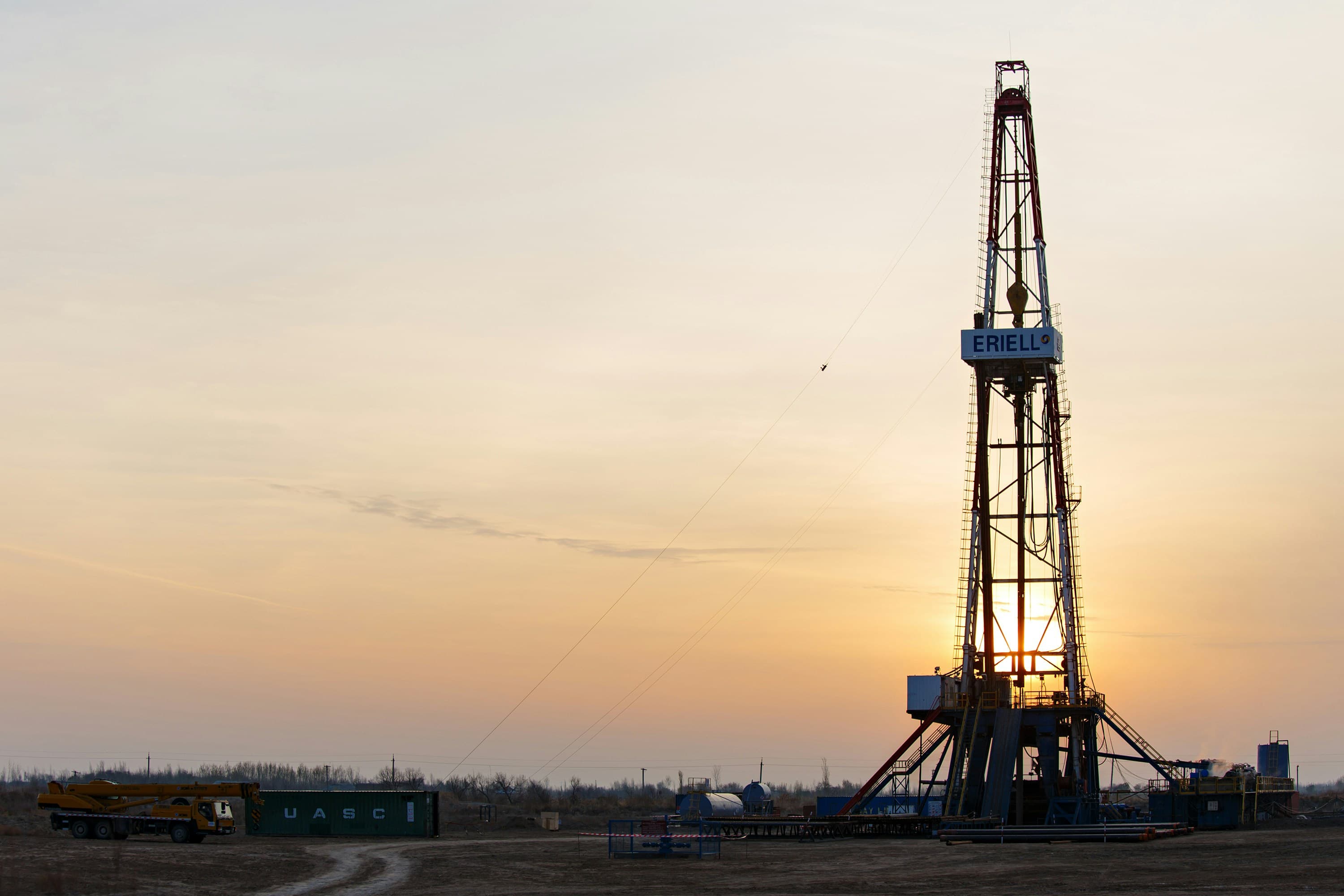
Permian
West Texas and southeast New Mexico
- Hydrogen sulfide (H2S) on many leases
- Produced water hauling and SWD traffic
- Long lease-road miles per truck
- New Mexico work needs out-of-state comp
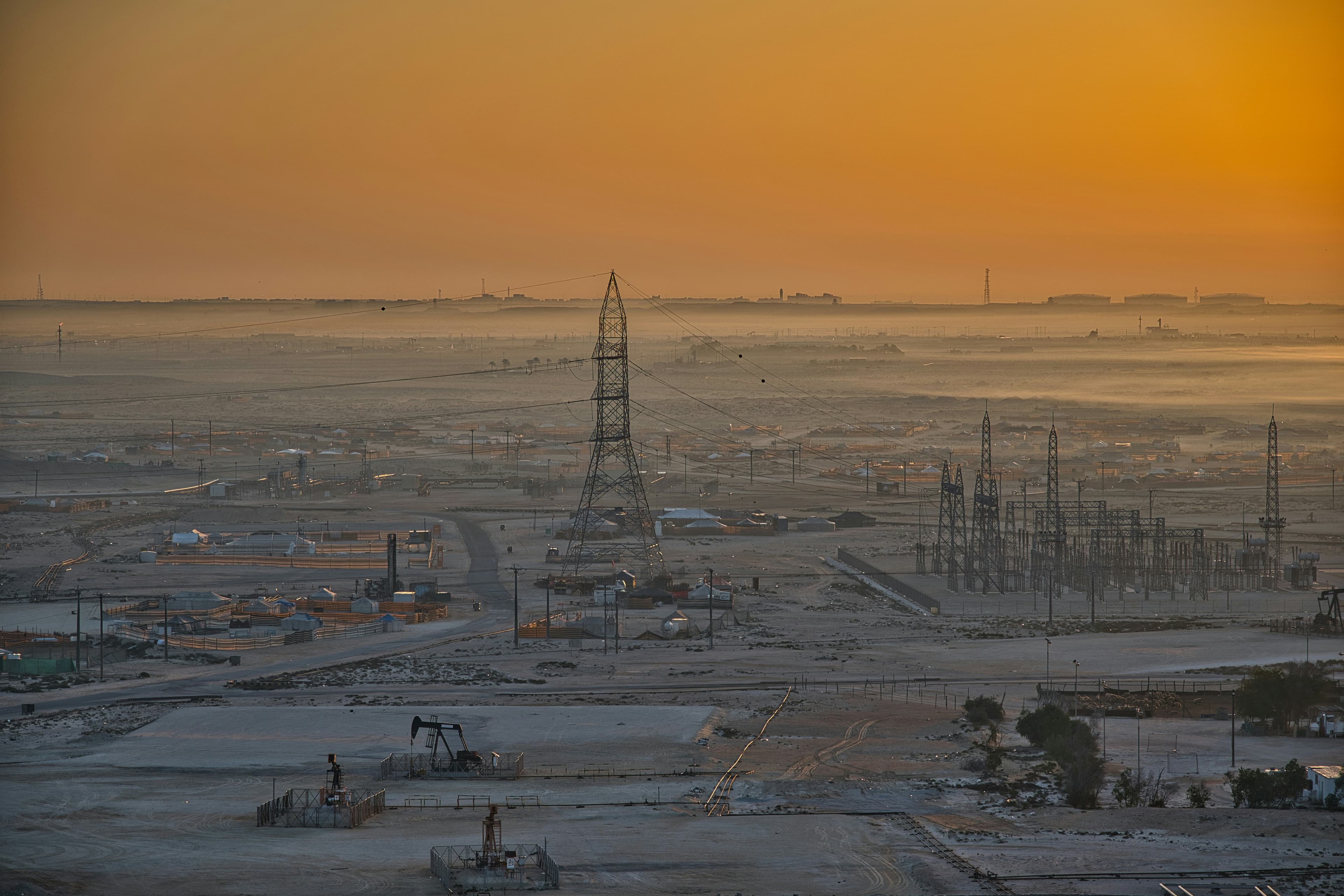
Eagle Ford
South Texas
- Sand and frac traffic on rural roads
- Yards and equipment closer to Gulf storms
- Heavy summer heat exposure for crews
- Mixed oil, condensate and gas work
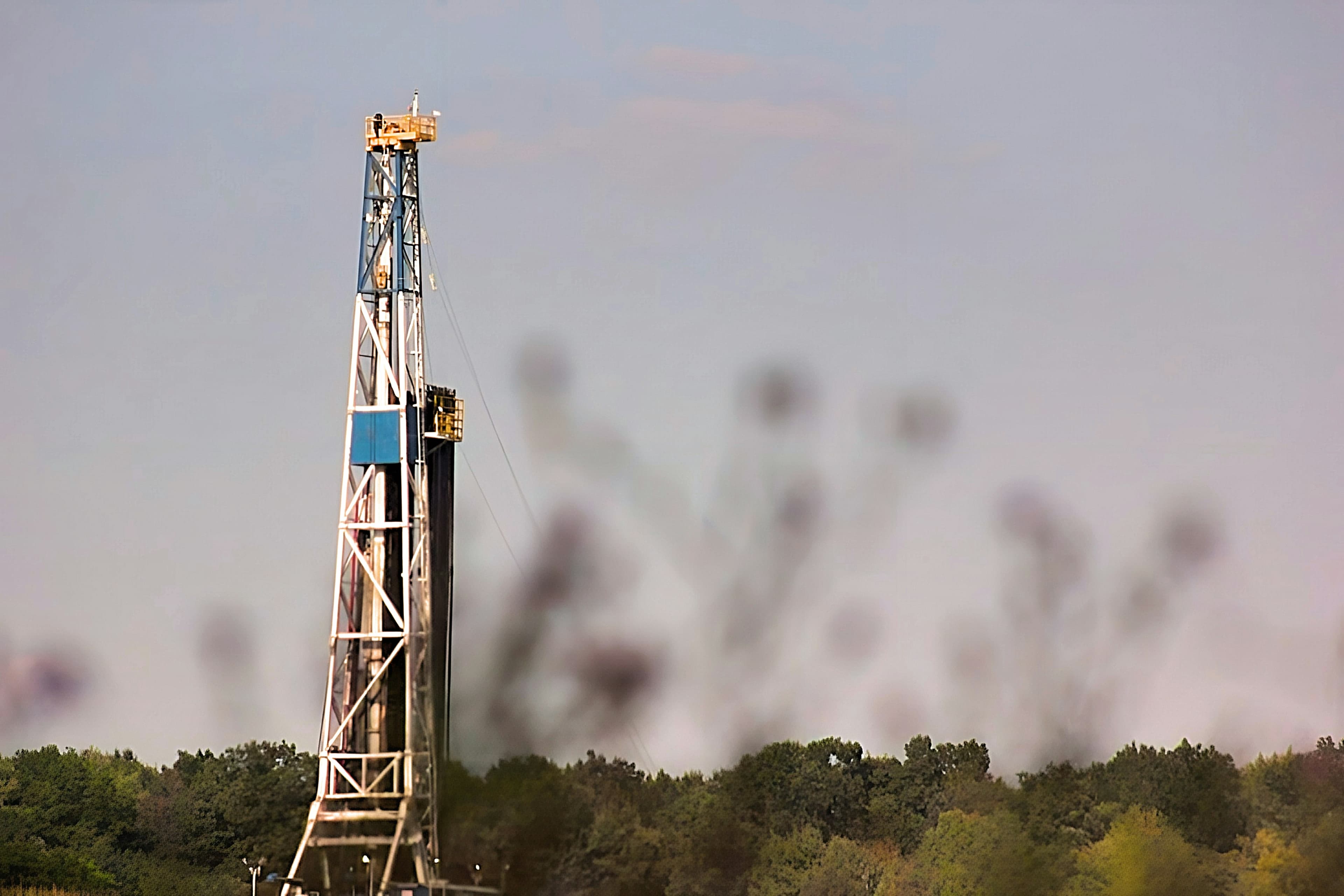
Haynesville
East Texas and northwest Louisiana
- Deep, high-pressure gas wells
- Louisiana work: different anti-indemnity law
- Louisiana workers comp is not optional
- Wet ground and timber-country access
Louisiana's anti-indemnity act after Act 328 (2026)
Louisiana's Oilfield Anti-Indemnity Act is La. R.S. 9:2780. It was amended by Act No. 328 of the 2026 Regular Session (HB 941), which a Louisiana law firm reports took effect August 1, 2026. If your MSAs were drafted before then, the insurance sections may not match the new rules.
What is void (Subsection B). Any provision in, collateral to, or affecting an agreement pertaining to a well for oil, gas or water is void and unenforceable to the extent it provides defense or indemnity to the indemnitee for death or bodily injury caused by the sole or concurrent negligence or fault (strict liability) of the indemnitee, or its agent, employee or directly responsible independent contractor.
What counts as an agreement (Subsection C). Broad: any written or oral agreement concerning exploration, development, production or transportation operations, including drilling, reworking, testing, treating, perforating, acidizing, logging, plugging and other services, plus the furnishing or rental of equipment, incidental transportation and other goods and services. Subsection J says it reaches master service agreements and blanket contracts "in whatever form and by whatever name."
Insurance workarounds (Subsection G). Provisions requiring waivers of subrogation, additional named insured endorsements or other insurance protection that would frustrate or circumvent the ban are null and void.
The new additional insured path (Subsection H). Notwithstanding G, additional insured coverage is enforceable only if the party seeking it:
- requests an additional insured premium quote by separate written communication to the named insured or its agent or broker,
- receives a premium quote from the named insured's insurer or its authorized representative, and
- pays that insurer or representative directly.
Group coverage (the operator plus its group) is valid only if the premium was quoted for group coverage and the payment matches. Once purchased, the named insured, insurer or representative must give written renewal notice under the statute's timing rules. If the AI does not request or pay in a policy year, it has to make a new written request.
Deductibles. When AI coverage is obtained this way, the additional insured, not the named insured, is responsible for deductibles or retentions up to $100,000. An agreement making the named insured fund any part of that first $100,000 is null, and the subsection does not apply.
Subsection H does not revive defense and indemnity. Those provisions remain void.
How Louisiana differs from Texas Chapter 127
The two statutes aim at the same problem but get there differently. If one MSA covers work in both states, expect the insurance section to behave differently depending on where the well is.
| Issue | Texas (CPRC Ch. 127) | Louisiana (R.S. 9:2780) |
|---|---|---|
| Harm covered by the ban | Personal injury, death or property injury from the indemnitee's negligence | Death or bodily injury from the indemnitee's negligence or fault |
| Insurance-supported indemnity | Allowed if agreed in writing; mutual limited to agreed coverage, unilateral insurance capped at $500,000 | Indemnity for indemnitee fault stays void; insurance cannot be used to circumvent it |
| Additional insured | Typically provided under the insurance-supported structure | Enforceable only through the Subsection H request, quote and direct-payment process |
| Who pays AI premium | Usually built into the contractor's program | Party seeking AI pays the insurer directly |
| Deductibles on AI claims | Set by contract | AI responsible up to $100,000; contract shifting it to named insured is null |
| Waiver of subrogation | Commonly required and supported by insurance | Void if it would circumvent the ban |
What to do with an existing MSA
If an operator asks you to name it as an additional insured on Louisiana work, ask whether it has made the written request under Subsection H and paid the quoted premium. Your agent and your insurer need to be ready to quote AI coverage to the operator directly. See the Texas anti-indemnity act page for the Texas side.
Workers' comp: Louisiana requires it, Texas does not
In Texas, Labor Code 406.002 says a private employer "may elect" to obtain workers' compensation coverage. Most oilfield contractors carry it because operators require it, but Texas does not force them to. See do oilfield contractors need workers' comp in Texas.
Louisiana is different. R.S. 23:1168 opens: "An employer shall secure compensation to his employees," and lists the ways to do it: insurance from an insurer authorized to write comp in Louisiana, a group self-insurance fund, or approved self-insurance.
If your crews work Louisiana wells:
- Make sure Louisiana is listed on your workers' compensation policy's information page, either as a state where the policy applies or under other-states coverage.
- Make sure the certificate you send to Louisiana operators shows it.
- If you have been operating as a Texas nonsubscriber, Louisiana work is a different situation entirely. Talk to us before you send a crew.
Deep, high-pressure gas wells
Haynesville wells are deep gas wells, and the RRC puts the productive interval below 10,000 feet. That kind of well creates exposures that most service contractors should not be carrying on their own balance sheet.
Most MSAs put the big well risks on the operator: loss of or damage to the hole, damage to the reservoir and underground property, and well control. The IADC model drilling contract, for example, makes the operator "solely responsible" for loss of or damage to the hole, and has the operator release and indemnify the contractor for damage to oil, gas, water or other mineral substances not yet reduced to possession above the surface, and to property, formations or reservoirs beneath the surface.
Service MSAs do not always follow that model. Read for:
- Who takes loss of hole and underground damage.
- Who takes well control costs if your operation is involved in an incident.
- Whether your in-hole tools are covered by the operator or are your problem. See oilfield equipment insurance.
In Louisiana, also check how those clauses interact with R.S. 9:2780, which voids indemnity for death or bodily injury caused by the indemnitee's fault.
Wet ground, timber and equipment
East Texas and northwest Louisiana are not West Texas. Locations sit in pine timber and bottomland, lease roads go soft after rain, and low-water crossings flood.
That changes what goes wrong:
- Equipment stuck or overturned on soft ground. That is a floater claim for your equipment and possibly a GL claim if it damages someone else's property.
- Auto claims on narrow rural roads shared with log trucks and other heavy traffic.
- Flood damage to equipment left on location or in a yard near a creek.
- Surface damage to timber land and landowner roads.
Confirm your floater covers flood and overturn, your auto program includes comprehensive on units that sit in yards, and your GL handles property damage to landowners.
Haynesville MSA review checklist
When you send us a Haynesville MSA, we start here:
| Item | What we look for |
|---|---|
| Work location | Texas wells, Louisiana wells, or both |
| Louisiana AI requirements | Whether the MSA reflects the 2026 Subsection H process |
| Deductible clauses | Any clause making you fund the first $100,000 on an AI claim in Louisiana |
| Waiver of subrogation | Whether it would circumvent R.S. 9:2780 on Louisiana work |
| WC states | Louisiana listed on the WC policy |
| Hole, underground and well control | Allocated to the operator, or left with you |
Common questions
Which RRC district covers the Haynesville in Texas?
District 6. The RRC describes the play as located in East Texas, District 6, and western Louisiana. The district office is in Henderson.
Can a Louisiana operator require me to name it as an additional insured?
Under R.S. 9:2780 as amended in 2026, additional insured coverage is enforceable only if the operator requests a quote in writing, receives a premium quote from your insurer, and pays that insurer directly.
Who pays the deductible on an additional insured claim in Louisiana?
Under the 2026 amendment, the additional insured is responsible for deductibles or retentions up to $100,000. A contract making the named insured fund that first $100,000 is null.
Is a waiver of subrogation enforceable on Louisiana oilfield work?
Not if it would frustrate or circumvent the anti-indemnity ban. Subsection G voids those provisions.
Do I need workers' comp to work in Louisiana?
Yes. Louisiana requires employers to secure compensation through insurance or approved self-insurance. Texas lets most private employers opt out, so Louisiana work needs Louisiana on your WC policy.
Does the Louisiana statute cover property damage?
The core ban in Subsection B addresses death or bodily injury. Texas Chapter 127 also covers property injury. Have the property sections of your MSA reviewed for each state.
Sources
- Railroad Commission of Texas: Haynesville/Bossier Shale. District 6, affected counties, depth greater than 10,000 feet, Lower Bossier correlation.
- Railroad Commission of Texas: Locations. Districts 5 and 6 office in Henderson.
- Louisiana Act No. 328 (2026), HB 941, enrolled. Amended text of R.S. 9:2780(B), (C), (G), (H), (I) and new (J): AI process, $100,000 deductible rule.
- Adams and Reese: Louisiana oilfield indemnity changes. Reports an effective date of August 1, 2026 and summarizes the prior Marcel exception.
- La. R.S. 23:1168. "An employer shall secure compensation to his employees" and the permitted methods.
- Texas Labor Code Sec. 406.002. Texas private employers may elect to obtain workers' compensation coverage.
- Texas Civil Practice and Remedies Code Sec. 127.005. Insurance-supported mutual indemnity; $500,000 cap for unilateral.
- IADC U.S. Land Daywork Drilling Contract, 2013 sample. Paragraphs 14.7 (hole) and 14.8 (underground damage) allocated to the operator.
This page explains insurance, not law. Have your attorney review indemnity and contract language; our job is making the insurance match it.
Keep reading
Contract requirements
What does the Texas Oilfield Anti-Indemnity Act mean for my MSA and my insurance?
Contract requirements
What does knock-for-knock mean in my MSA, and what insurance does it take?
Questions
Do oilfield contractors need workers comp in Texas?
By trade
What insurance does a workover or well servicing rig need under an operator MSA?
Questions
What is a waiver of subrogation, and why does every oilfield MSA ask for one?
Contract requirements
The operator sent me an MSA. What insurance does it actually require?