The short version
- The Railroad Commission tracks the Texas Permian mainly as Districts 7C, 8 and 8A, served from San Angelo, Midland and Lubbock.
- RRC Rule 36 requires operators in H2S areas to use trained service company personnel and to get written certification of that training from the service company.
- New Mexico requires workers' compensation for employers with three or more workers, and for any business licensed under its Construction Industries Licensing Act regardless of size, while Texas lets most private employers opt out.
- New Mexico's oilfield anti-indemnity statute also voids additional insured and waiver of subrogation provisions that would get around its indemnity ban, which is different from how Texas Chapter 127 works.
Where the Permian sits in Railroad Commission terms
The Railroad Commission of Texas describes the Permian as an area in West Texas and the adjoining part of southeastern New Mexico, roughly 250 miles wide and 300 miles long, with production from a few hundred feet to five miles deep. In RRC production figures it is "best represented" as Districts 7C, 08 and 8A. The RRC lists 61 affected Texas counties.
Two sub-basins drive most of the work:
- Delaware Basin, to the west, which RRC notes runs from West Texas into southern New Mexico.
- Midland Basin, to the east, centered on the Spraberry and Wolfcamp.
Why this matters for insurance: a crew based in Odessa can be in District 08 in the morning, a different county by noon and across the New Mexico line by afternoon. Your policies need to follow that footprint, and so does your paperwork with each operator.
| RRC district | District office |
|---|---|
| District 08 | Midland |
| District 7C | San Angelo |
| District 8A | Lubbock |
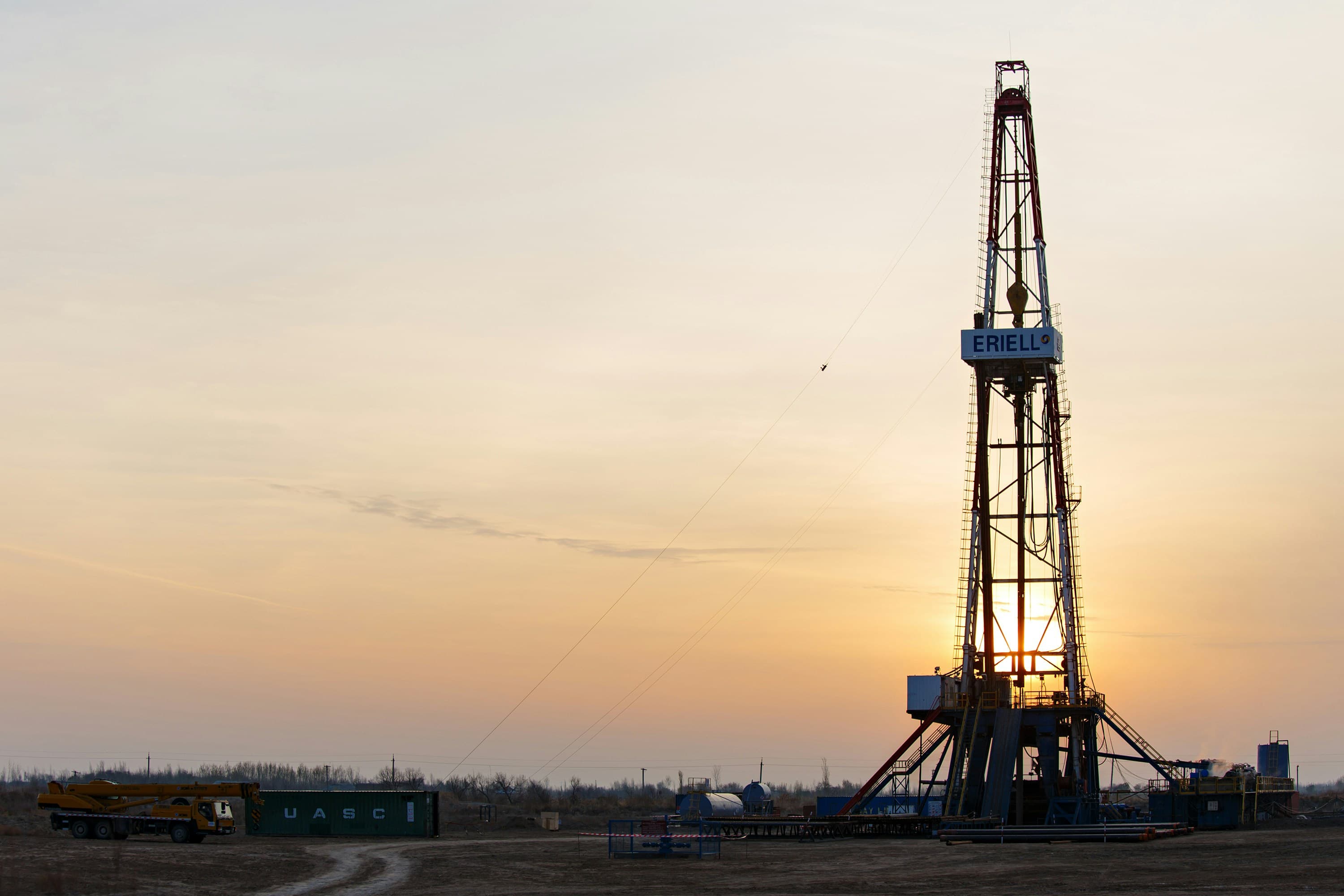
Permian
West Texas and southeast New Mexico
- Hydrogen sulfide (H2S) on many leases
- Produced water hauling and SWD traffic
- Long lease-road miles per truck
- New Mexico work needs out-of-state comp
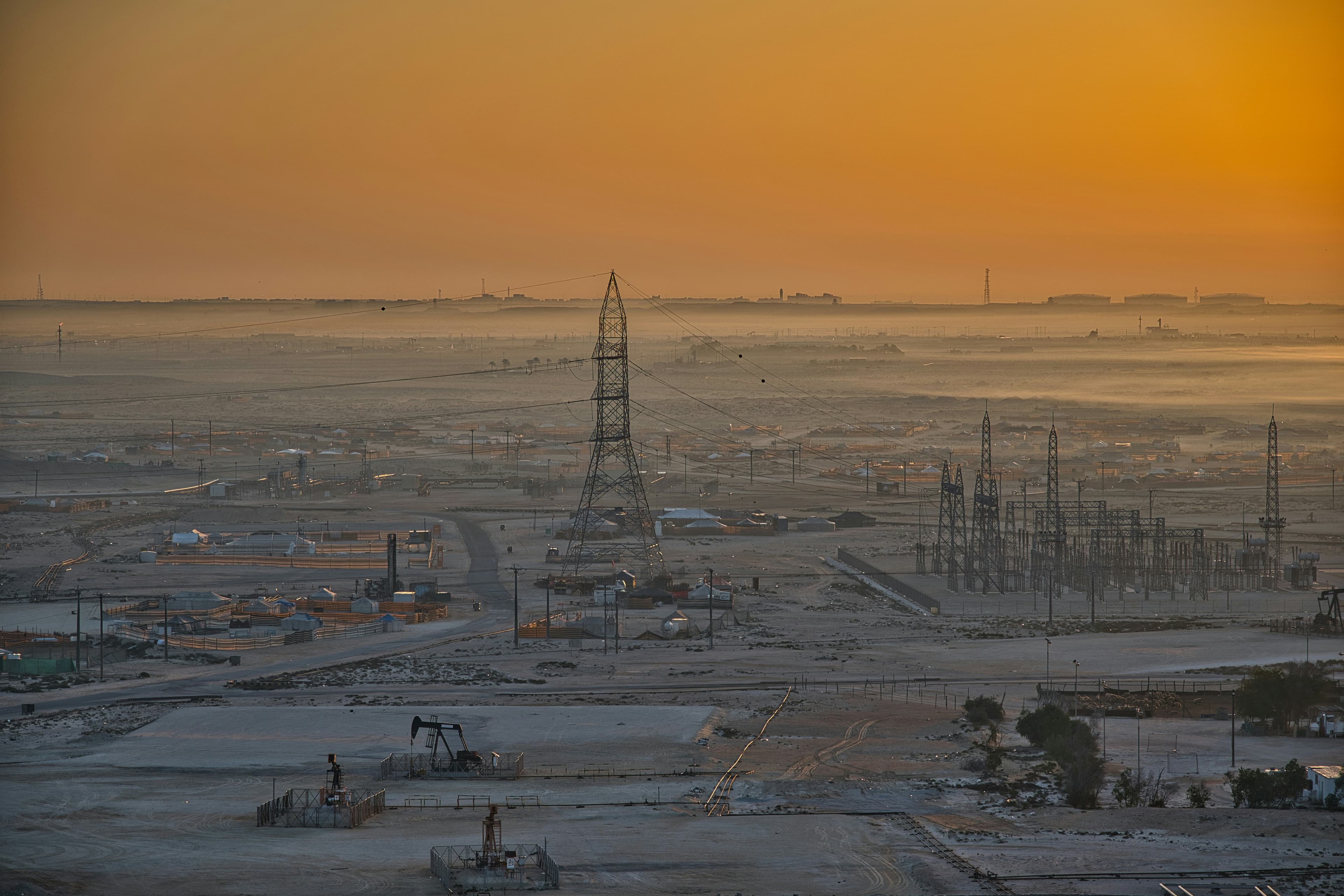
Eagle Ford
South Texas
- Sand and frac traffic on rural roads
- Yards and equipment closer to Gulf storms
- Heavy summer heat exposure for crews
- Mixed oil, condensate and gas work
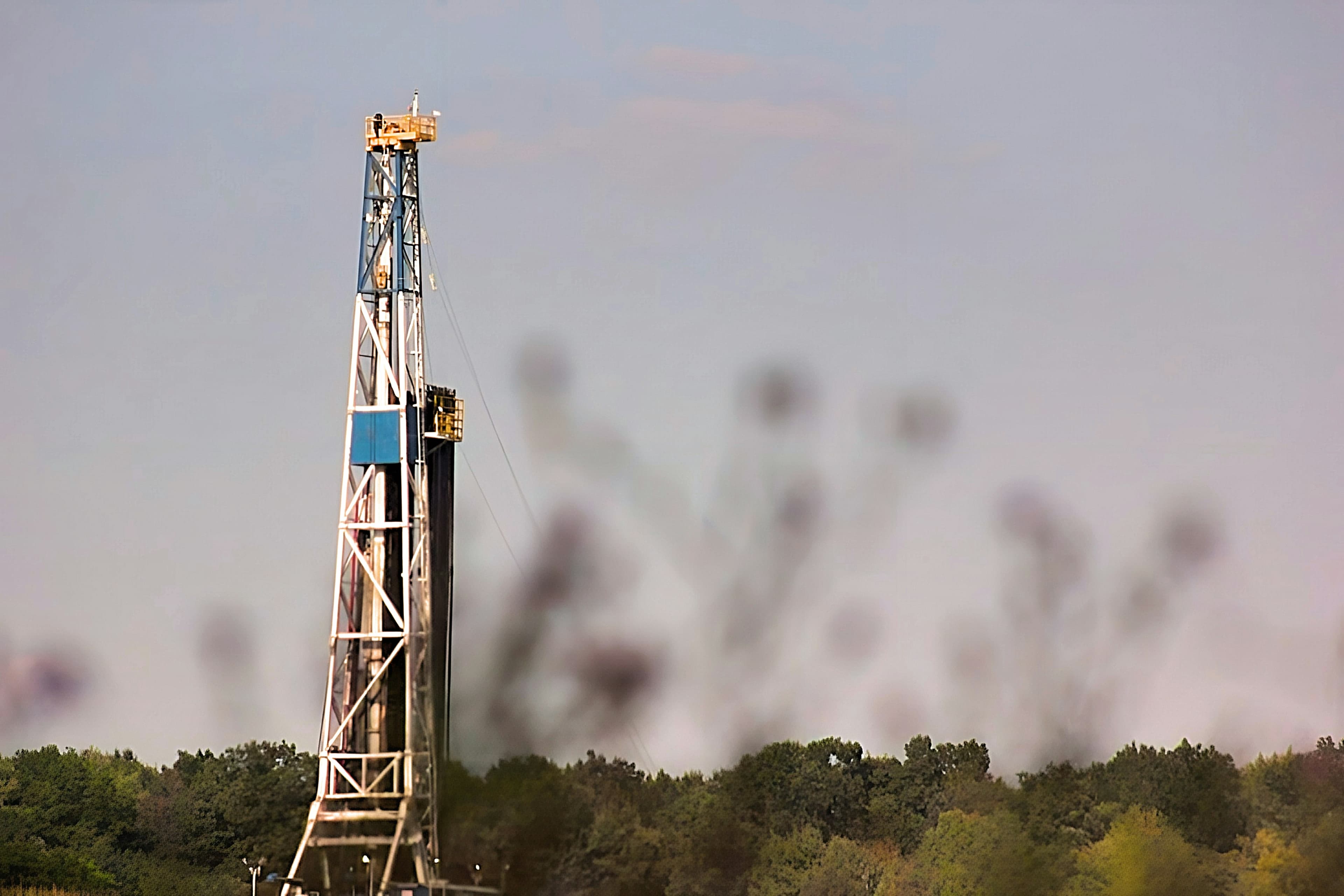
Haynesville
East Texas and northwest Louisiana
- Deep, high-pressure gas wells
- Louisiana work: different anti-indemnity law
- Louisiana workers comp is not optional
- Wet ground and timber-country access
H2S: Rule 36 puts training on your crews
Hydrogen sulfide is a real hazard in parts of the Permian, and Texas regulates it through Statewide Rule 36 (16 Texas Administrative Code 3.36).
The rule applies to operations where the gas contains H2S, with an exemption where concentration in the system is under 100 ppm. Where it applies, it does more than set rules for the operator:
- Operators must train their own employees in H2S safety.
- Operators must use service company personnel who have been trained, and must get written certification from the service company that its people were trained.
- Training must cover H2S hazards, safety precautions and the operation of safety and life-support equipment, with additional training for on-site supervisors.
- Operators need a written contingency plan in many situations, and supervisors must know it.
So H2S compliance flows straight down to you. Operators will ask for your training records, often through ISNetworld or Avetta, and the same records support your safety story with underwriters.
On the insurance side, ask two questions. Does your GL or pollution coverage treat an H2S release as a "pollution" event, which could push it into an exclusion? And does your MSA put equipment damage from H2S on you or on the operator? The IADC model drilling contract puts H2S and corrosive-element damage to contractor equipment on the operator, but many service MSAs are silent or different. See oilfield equipment insurance and what happens if my ISNetworld grade drops.
Produced water, disposal wells and shifting haul routes
Produced water is a big part of Permian service work, and it is regulated at the disposal end as well as the hauling end.
In December 2022, after a magnitude 5.4 earthquake in Reeves County, the RRC expanded the Northern Culberson-Reeves Seismic Response Area north to the New Mexico border, growing it to 2,601 square miles and covering 78 active disposal wells. Deep disposal operators agreed to cut their combined daily injection target from 298,000 barrels to 162,000 barrels by June 30, 2023. The RRC has used seismic response areas elsewhere in the Permian as well.
For a water hauler, that kind of regulatory change can mean different disposal sites, longer routes and more time on the road. More miles is more auto exposure. It can also change which disposal facilities you deliver to, which matters if your pollution coverage treats disposal sites differently.
Also check the basics:
- Hauling non-hazardous oil and gas waste for hire off a lease in Texas requires an RRC waste hauler permit under Rule 8.
- Your auto policy pollution coverage (or lack of it) decides who pays for a spill from a tanker. See oilfield auto insurance and MCS-90 and do I need pollution coverage to haul produced water.
Working in New Mexico: workers' compensation
Texas and New Mexico handle workers' comp very differently.
Texas: Under Labor Code 406.002, most private employers "may elect" to obtain workers' compensation coverage. Operators almost always require it anyway, but it is not mandatory by statute. See do oilfield contractors need workers' comp in Texas.
New Mexico: According to the New Mexico Workers' Compensation Administration, coverage is required for an employer with three or more workers, and for any business engaged in activities licensed under the Construction Industries Licensing Act regardless of the number of employees.
Texas coverage for injuries in New Mexico: Under Texas Labor Code 406.071, a Texas-covered employee injured in another state can still claim Texas benefits if the injury would be compensable in Texas and the employee has significant contacts with Texas or the employment is principally located here. That helps, but it does not make your Texas policy satisfy New Mexico's requirement, and an injured worker or an operator may look to New Mexico law.
The practical fix: if you send crews across the line, make sure New Mexico is listed on your workers' compensation policy's information page, either as a state where the policy applies or under other-states coverage, and that the certificate you send to New Mexico operators shows it.
Working in New Mexico: the anti-indemnity statute
New Mexico has its own oilfield anti-indemnity law, NMSA 56-7-2, and it is not a copy of Texas Chapter 127.
Under the statute, an indemnity agreement tied to a New Mexico oil, gas or water well or a mine is void as against public policy to the extent it indemnifies against loss or liability arising from:
- the sole or concurrent negligence of the indemnitee or its agents or employees,
- the sole or concurrent negligence of an independent contractor directly responsible to the indemnitee, or
- an accident in operations carried on at the direction or under the supervision of the indemnitee.
The 1999 amendment added a provision that a requirement in an insurance contract or any other contract for a waiver of subrogation, an additional insured endorsement or other insurance protection that would frustrate the indemnity ban is also void.
Compare Texas. Chapter 127 voids indemnity for the indemnitee's own negligence too, but Section 127.005 carves out indemnity that the parties agree in writing will be supported by insurance, within limits. New Mexico's statute instead goes after the insurance requirements themselves when they are used to get around the ban.
What that means for you: a single MSA with a Texas choice-of-law clause may still run into New Mexico public policy for New Mexico work. Additional insured and waiver requirements in that MSA may not be enforceable the same way across the state line. Have the indemnity and insurance sections read with both states in mind. See Texas oilfield anti-indemnity act.
Distance, heat and the auto program
Permian work is spread out. Long drives from a yard to remote locations, lease roads with caliche dust and soft shoulders, and early starts and late finishes all add up to auto exposure. That shows up in underwriting through driver records, radius of operation and loss history.
Things that help when a Permian fleet goes to market:
- Clean, current driver lists with MVRs, and a written policy on who can drive company vehicles.
- Telematics or dash cameras, if you have them.
- Hired and non-owned auto coverage for hands who drive their own trucks to location.
- An umbrella that actually lists auto as underlying.
West Texas summers are hard on crews. Heat illness prevention, water and rest practices and documented training matter both for safety and for how your workers' comp and employers liability are underwritten.
What a Permian MSA review should check
When you send us a Permian MSA, these are the items we look at first:
| Item | Why it matters in the Permian |
|---|---|
| States listed on WC policy | New Mexico work needs New Mexico on the policy |
| Governing law and work location | New Mexico anti-indemnity law may apply to NM work regardless of the clause |
| H2S training and certification | Rule 36 requires written certification from service companies |
| H2S equipment damage allocation | Whether corrosion and contamination damage falls on you or the operator |
| Pollution coverage for haulers | Produced water spills, loading and unloading, disposal sites |
| Auto limits and umbrella | Long-distance driving and MSA auto requirements |
Common questions
Which RRC districts cover the Permian Basin?
The RRC says the Texas Permian is best represented in its production figures as Districts 7C, 08 and 8A. Those district offices are in San Angelo, Midland and Lubbock.
Do I need workers' comp to work in New Mexico?
New Mexico requires it for employers with three or more workers, and for any business licensed under its Construction Industries Licensing Act regardless of size. Make sure New Mexico is listed on your WC policy before sending crews.
Does my Texas workers' comp cover an injury in New Mexico?
Texas law can extend benefits to an employee injured out of state if the employee has significant contacts with Texas or the job is principally located in Texas. That does not satisfy New Mexico's own requirement, so list New Mexico on the policy.
Is New Mexico's anti-indemnity law the same as Texas Chapter 127?
No. Both void indemnity for the other party's negligence, but Texas allows insurance-supported mutual indemnity within limits, while New Mexico also voids additional insured and waiver requirements that would get around its ban.
What does Rule 36 require from service companies?
Operators in covered H2S areas must use trained service company personnel and get written certification from the service company that its people were trained.
Do I need a permit to haul produced water in Texas?
Hauling non-hazardous oil and gas waste for hire off a lease requires an RRC waste hauler permit under Rule 8. Your insurance should also address pollution from the load.
Sources
- Railroad Commission of Texas: Permian Basin. Basin extent, Districts 7C, 08 and 8A, 61 counties, Delaware and Midland sub-basins.
- Railroad Commission of Texas: Locations. District office cities: 7C San Angelo, 8 Midland, 8A Lubbock.
- 16 Tex. Admin. Code 3.36 (Rule 36), H2S areas. 100 ppm threshold, trained service company personnel, written certification, contingency plans.
- RRC statement on Northern Culberson-Reeves SRA (Dec. 13, 2022). Boundary expanded to NM border; 78 disposal wells; deep injection target cut from 298,000 to 162,000 bbl/day.
- New Mexico Workers' Compensation Administration guide. Coverage required for three or more workers and for any CILA-licensed business regardless of size.
- Texas Labor Code Sec. 406.071. Extraterritorial coverage for Texas employees injured in another state.
- New Mexico HB 861 (1999), amending NMSA 56-7-2. Void indemnity categories and Subsection C voiding AI and waiver requirements that circumvent the ban.
- NMSA 56-7-2 (2023 edition). Confirms current Subsection A language.
This page explains insurance, not law. Have your attorney review indemnity and contract language; our job is making the insurance match it.
Keep reading
Contract requirements
What does the Texas Oilfield Anti-Indemnity Act mean for my MSA and my insurance?
Questions
Do oilfield contractors need workers comp in Texas?
By trade
What insurance does a water hauling company need to haul produced water for an operator?
Coverage
What auto insurance does my oilfield fleet need, and what is the MCS-90 for?
Questions
Do I need pollution coverage to haul produced water?
Contract requirements
The operator sent me an MSA. What insurance does it actually require?