The short version
- A well servicing company needs the standard contractor program (GL, auto, workers comp, umbrella) plus coverage that most contractors never think about: damage to the hole, underground resources, and in some contracts the cost of regaining control of a well.
- Texas Chapter 127 does not apply to reservoir or underground damage, loss of the well bore itself, or wild well control costs (§127.004), so an indemnity for those losses can be enforceable even when the operator was negligent.
- Rig moves make auto and permitting part of the insurance conversation; the rig, its carrier and the support trucks often sit on different policies that all have to match the MSA.
- Before you sign, find out who the MSA makes responsible for the hole, the downhole equipment and the reservoir, and whether your GL even covers those.
What a well servicing MSA usually asks for
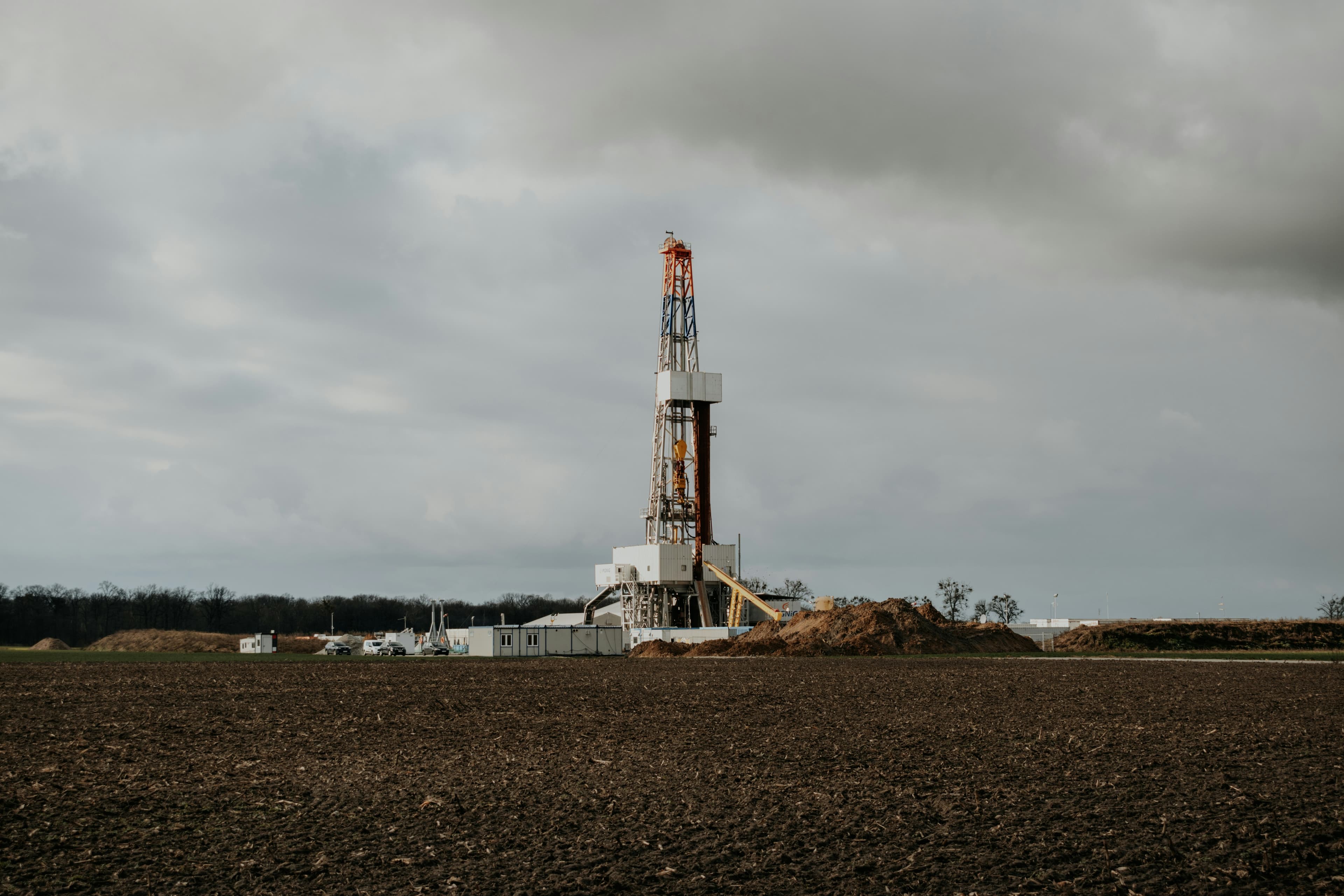
A workover or well servicing rig spends its life inside the operator's well. Pulling rods and tubing, swabbing, plugging, completions work, fishing, cleanouts. That puts the contractor next to the most expensive property on the lease: the hole itself and the reservoir behind it.
Operator MSAs for rig work usually start from the same base as any contractor program. See MSA insurance requirements for the general structure. What changes for well servicing is the indemnity allocation for the well, and the expectation that your GL is written on a form built for downhole work.
| Coverage | What MSAs commonly ask for | Well servicing note |
|---|---|---|
| General liability | $1M per occurrence / $2M aggregate is common | Check for underground resources and equipment coverage and any downhole exclusions |
| Commercial auto | $1M combined single limit is common | Rig carriers, pole trucks, pump trucks; rig moves on public roads |
| Workers comp / employers liability | Statutory WC; EL often $1M/$1M/$1M | Texas WC waiver of subrogation (WC 42 03 04) |
| Umbrella / excess | Commonly $5M to $10M; larger scopes may ask for more | Must follow form over GL, auto and EL |
| Pollution | Sudden and accidental at minimum; contractors pollution liability on some scopes | Blowouts and returns to surface are pollution events as well as liability events |
| Rig and equipment | Usually a waiver rather than a limit | Rig as inland marine or equipment; waiver of subrogation in favor of operator |
| Well control | Sometimes required of the contractor, more often retained by the operator | Read who pays to regain control, redrill and clean up |
The hole, the reservoir and the equipment in it
This is where well servicing MSAs differ most from other contractor agreements, and where a standard contractor GL is most likely to leave a gap.
Most MSAs allocate three things specifically:
- Loss of or damage to the hole. If tubing parts, a fish cannot be recovered, or the casing is damaged, who pays to fish, sidetrack or redrill?
- Underground resources. Damage to the reservoir, loss of oil or gas, or cratering. These are not "property damage" in the ordinary sense, and many GL forms exclude them.
- Downhole equipment. Your tools in the hole versus the operator's tubing, rods and pumps. Many MSAs make the operator responsible for its own downhole equipment and sometimes for yours while it is in the hole, often subject to conditions.
Energy GL forms often handle this with an underground resources and equipment coverage grant, sometimes with sublimits, sometimes only on request. A standard ISO contractor GL was not written for it. IRMI describes the underground property damage exclusion found on contractor policies, which removes coverage for property beneath the surface damaged during drilling and similar operations. If your GL carries that kind of exclusion without an energy-specific buyback, the downhole indemnity you sign may be uninsured.
Ask for the actual coverage grant, not a certificate. The certificate will not tell you whether downhole damage is covered.
Care, custody or control of the well
Standard GL policies exclude damage to property in the insured's care, custody or control and to the particular part of property the insured is working on. A rig working on a well can be argued to have that well in its care. Energy forms and MSAs both deal with this differently, so the two have to be read together.
Where Chapter 127 stops protecting a rig contractor
The Texas Oilfield Anti-Indemnity Act is written for exactly this kind of work. Its definition of "well or mine service" (§127.001) includes reworking, repairing, testing, treating, perforating, acidizing and logging a well. Under §127.003, an agreement to indemnify the operator for injury, death or property injury caused by the operator's own negligence is void, unless it is supported by insurance the parties agreed to in writing under §127.005.
But §127.004 says the Act does not apply to loss or liability arising from:
- Personal injury, death or property injury that results from radioactivity.
- Property injury that results from pollution, including cleanup and control of the pollutant.
- Property injury that results from reservoir or underground damage, including loss of oil, gas, other mineral substance, or water, or the well bore itself.
- Injury or damage from performing services to control a wild well to protect the public or prevent depletion of natural resources.
- The cost of control of a wild well, underground or above the surface.
For a well servicing contractor, items 2, 3 and 5 are the core of the downhole exposure. If the MSA puts loss of the hole or the reservoir on you, Chapter 127 is not what saves you; whether the clause holds is a general Texas contract question. That is why the operator's version of those clauses matters as much as the limits. More on how the reciprocal structure works is on the knock-for-knock page.
Knock-for-knock allocation
Well control, blowouts and fire
Well control coverage (sometimes called control of well or operator's extra expense) pays to regain control of a well, redrill it and clean up. It is traditionally bought by the operator. Some MSAs, particularly for smaller operators, push part of that cost onto the contractor or require the contractor to carry its own well control limit.
Two things to check:
- Who the MSA makes responsible for "cost of control" and "redrill." Chapter 127 §127.004(5) excludes the cost of control of a wild well from the Act, so an indemnity there is judged under ordinary contract law.
- Whether your GL excludes blowout, cratering and well control. Many energy GL forms do, and some offer limited buybacks.
Fire is the other well site exposure. OSHA's enforcement policy on flame-resistant clothing for oil and gas drilling, well servicing and production-related operations exists because flash fires continue to occur in these operations. That memo is cited under the general industry PPE standard (29 CFR 1910.132(a)), and OSHA states that, outside site preparation, oil and gas well drilling and servicing operations are covered by the general industry standards in 29 CFR 1910.
Pollution from the well
Fluid to surface during a workover, a parted line during swabbing, a leak at the rig tank. Each one is a pollution event, and Chapter 127 does not reach pollution property damage, so the MSA's pollution allocation clause governs.
Most well servicing MSAs say something like: the contractor is responsible for pollution originating from its own equipment above the surface; the operator is responsible for pollution originating from the well or reservoir. Your insurance should match that line. The pollution layers look like this:
- GL with a total pollution exclusion: no pollution coverage.
- GL with a sudden and accidental buyback: covers short-tail spills discovered and reported within strict windows.
- Contractors pollution liability: broader, covers gradual events and cleanup costs, and is what many MSAs mean when they say "pollution liability."
- Auto pollution: separate again, and it matters if pump trucks or vacuum trucks run with the rig.
Which policy answers a pollution loss
Rig moves, rig carriers and the auto policy
A workover rig on a carrier is a vehicle on the road and a piece of equipment on location. Pole trucks, pump trucks, frac tanks on trailers and pickup crews all move with it. The questions that come up on review:
- Is the rig carrier scheduled on the auto policy, the equipment policy, or both? Gaps appear where each policy assumes the other one covers it.
- Is the auto policy written with symbols broad enough for the MSA (usually any auto, or owned plus hired plus non-owned)?
- Are oversize and overweight moves handled by your own drivers or a heavy-haul carrier, and does that carrier name the operator as required?
See oilfield auto insurance and MCS-90 for the federal filing side and oilfield equipment insurance for the rig itself.
Where well servicing certificates get rejected
ISNetworld and Avetta reviewers check what the operator loaded into the account. For rig contractors, the common gaps are below. If you have a deficiency notice in hand, the rejected certificate guide explains how to read it.
| MSA requirement | Where the gap usually is |
|---|---|
| Underground resources and equipment coverage | GL is a standard contractor form with an underground property or downhole exclusion and no buyback |
| Contractor responsible for its own equipment, with waiver | Rig insured, but equipment policy has no waiver of subrogation in favor of the operator |
| Additional insured, ongoing and completed operations | Blanket AI form covers ongoing operations only |
| Umbrella follows form over EL | Umbrella schedules GL and auto, not employers liability |
| Texas WC waiver of subrogation | NCCI form used, or scheduled waiver naming the wrong operator entity |
| Pollution coverage | Sudden and accidental reporting window shorter than the MSA assumes, or no pollution at all |
What to send for a review
For a rig contractor the useful documents are the MSA's indemnity and insurance sections, any well-specific exhibit (some operators have a separate exhibit for downhole and well control), the ISN or Avetta requirements, and your GL policy form list. The form list is what tells us whether downhole damage is covered.
We read the MSA against the program and tell you which endorsements are missing, where the downhole and well control allocation lands, and what Chapter 127 does and does not do for you on that contract. Regional notes are on the Permian Basin and Haynesville pages.
Common questions
Does my general liability cover damage to the well if we part tubing or lose a fish?
Often not under a standard contractor GL. Damage to the hole and the reservoir usually needs energy-specific underground resources and equipment coverage, and the MSA may already assign that loss to the operator. Read both before you assume either way.
Does the Texas anti-indemnity act protect me if I agree to pay for a lost hole?
Not directly. Chapter 127 §127.004 says the Act does not apply to property injury from reservoir or underground damage, including loss of the well bore itself. Those clauses are judged under general Texas contract law.
Do I need well control insurance as a workover contractor?
Usually the operator carries it, but some MSAs shift part of the cost of control or redrill onto the contractor. If your MSA does, you either need coverage for it or a change to the clause.
Why does the operator want my rig equipment policy to waive subrogation?
Most MSAs make each party responsible for its own equipment. A waiver keeps your equipment insurer from suing the operator after paying your claim. Without it, you may be in breach of the MSA.
What limits do operators require for well servicing rigs?
It varies by operator and scope. $1M per occurrence GL, $1M auto and $1M employers liability with an umbrella commonly in the $5M to $10M range show up often. See what limits operators require.
Is flame-resistant clothing an insurance issue?
It is a safety and OSHA issue first. OSHA has an enforcement policy on FRC in drilling, well servicing and production work. It shows up in prequalification audits and in how underwriters view a rig contractor's safety program.
Sources
- Tex. Civ. Prac. & Rem. Code ch. 127 (Texas Legislature). Definition of well or mine service (§127.001), voided indemnity (§127.003), exclusions for reservoir, well bore, pollution and wild well control (§127.004), insurance-supported exception (§127.005).
- OSHA: Oil and Gas Extraction, Standards. Outside site preparation, oil and gas well drilling and servicing operations are covered by 29 CFR 1910.
- OSHA: Enforcement Policy for Flame-Resistant Clothing in Oil and Gas Drilling, Well Servicing, and Production-Related Operations. FRC enforcement under 29 CFR 1910.132(a) and the continuing occurrence of flash fires.
- IRMI glossary: underground property damage. Underground property damage exclusion tied to drilling and similar operations.
- IRMI: Rational CPL Insurance Specifications. Contractors pollution liability fills the gap created by GL pollution exclusions.
- Matthiesen, Wickert & Lehrer: Workers Comp Subrogation Waiver Endorsements. Texas WC waiver form WC 42 03 04.
This page explains insurance, not law. Have your attorney review indemnity and contract language; our job is making the insurance match it.
Keep reading
Contract requirements
What does the Texas Oilfield Anti-Indemnity Act mean for my MSA and my insurance?
Contract requirements
What does knock-for-knock mean in my MSA, and what insurance does it take?
Coverage
How do I insure my rigs, tools and equipment when they are out on location?
Coverage
Does my oilfield GL cover a spill, or do I need separate pollution coverage?
Questions
Does knock-for-knock indemnity cover gross negligence?
Contract requirements
The operator sent me an MSA. What insurance does it actually require?