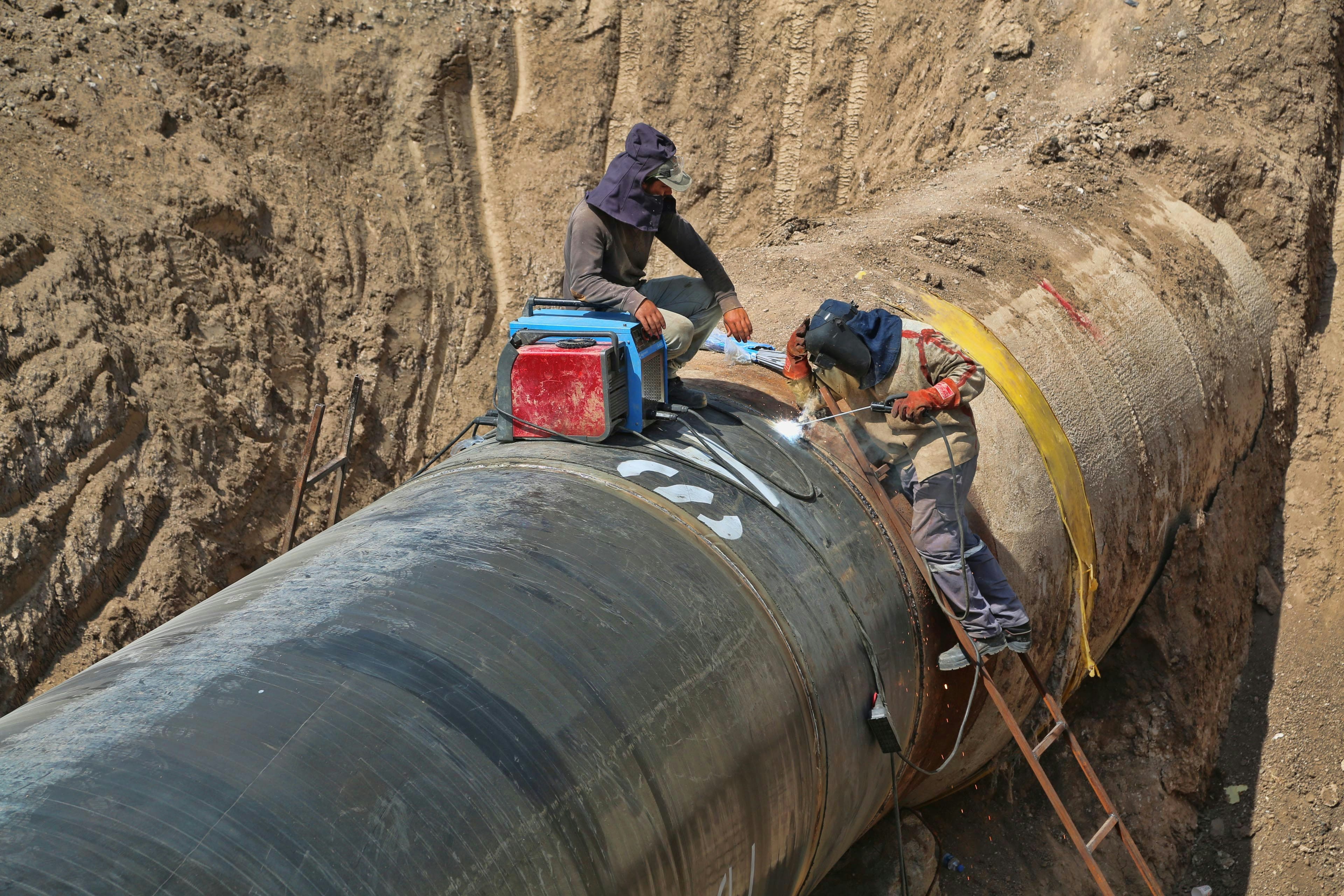
The short version
- Artesia is home to the Oil Conservation Division's District II office. Permian oil was found in the Artesia field in 1923, and the Artesia Group of shelf rocks is named for the town and that field.
- Workover and well servicing on H2S wells at 100 ppm or more must follow 19.15.11 NMAC, including a sensing point near the wellbore and a remote-controlled, H2S-rated well control system.
- New Mexico courts have awarded New Mexico comp to out-of-state workers hurt in New Mexico, even after another state's benefits were paid. Texas crews working Eddy County need New Mexico on the policy.
- NMSA 56-7-2 voids indemnity for accidents in operations run at the direction or under the supervision of the operator, which matters on a workover where the company man calls the steps.
Artesia in OCD terms: District II
OCD lists its Artesia office at 506 W. Texas. OCD forms list District II in Artesia, alongside District I in Hobbs. If you work northern and central Eddy County, this is the district office most of your operators deal with on permits, spills and H2S plans.
Artesia is also one of the oldest oil towns in New Mexico. The New Mexico Bureau of Geology notes that water wells drilled in 1909 at Dayton, six miles south of Artesia, came first, and that Permian oil was discovered in the Artesia field in Eddy County in 1923.
The rocks carry the town's name. The USGS geologic names database says the Artesia Group is named from the town and the Artesia field in Eddy County, and includes the Grayburg, Queen, Seven Rivers, Tansill and Yates formations. The Bureau of Geology's 2024 model of Eddy and Lea counties groups the Abo, Yeso and Artesia Group as shelf deposits, the Capitan as the shelf margin, and the Bone Spring and Delaware Mountain Group as basin fill.
In practice, Artesia-area work mixes older shallow shelf wells, which need steady lease maintenance and workover, with Delaware Basin horizontal work in southern Eddy County, which the New Mexico Association of Counties says the Delaware Basin includes. See the Carlsbad page for the basin side.
| Setting | Units named in the model |
|---|---|
| Shelf | Abo, Yeso, Artesia Group (Grayburg, Queen, Seven Rivers, Tansill, Yates) |
| Shelf margin | Victorio Peak, Goat Seep, Capitan |
| Basin | Bone Spring, Delaware Mountain Group |
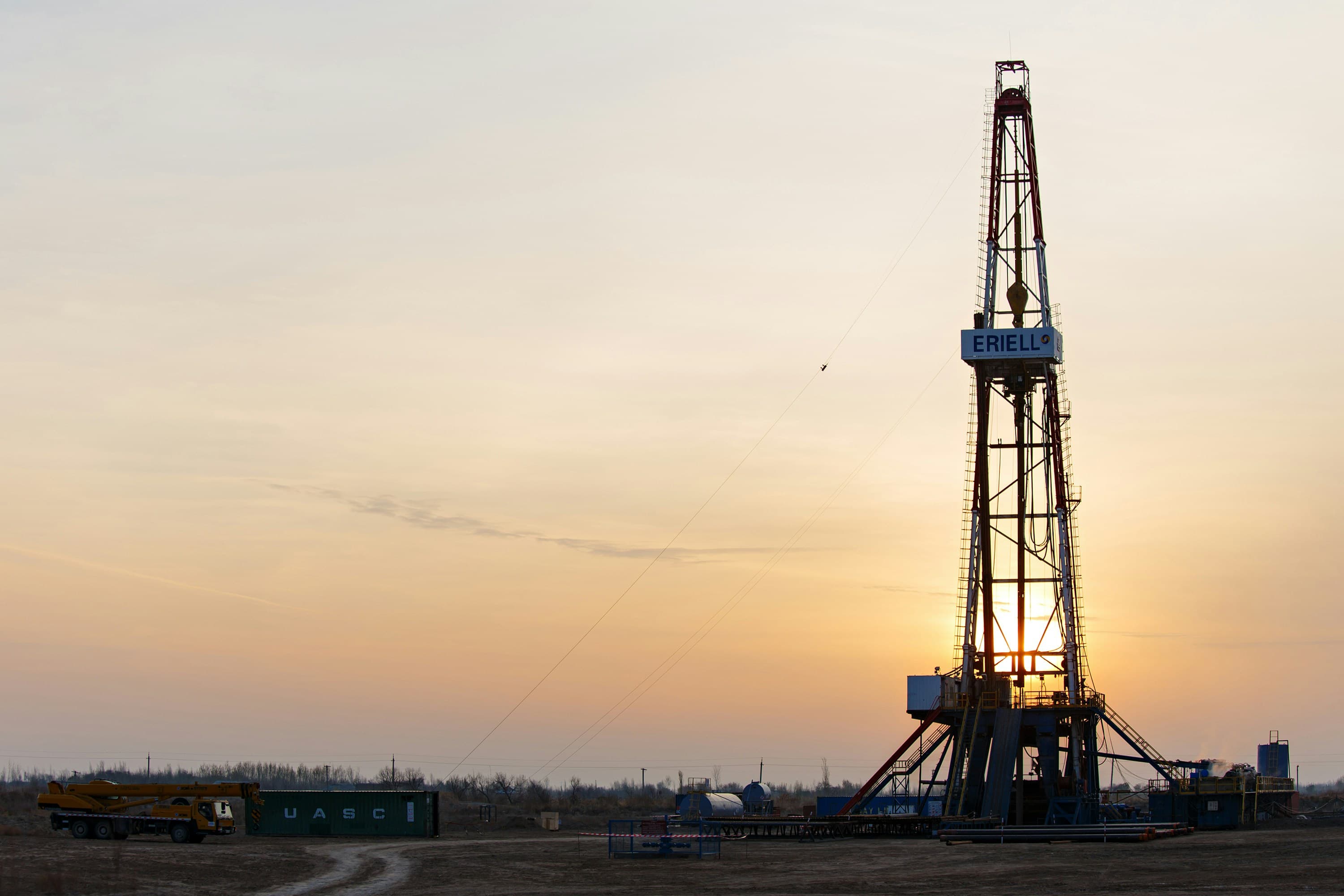
Permian
West Texas and southeast New Mexico
- Hydrogen sulfide (H2S) on many leases
- Produced water hauling and SWD traffic
- Long lease-road miles per truck
- New Mexico work needs out-of-state comp
Eagle Ford
South Texas
- Sand and frac traffic on rural roads
- Yards and equipment closer to Gulf storms
- Heavy summer heat exposure for crews
- Mixed oil, condensate and gas work
Haynesville
East Texas and northwest Louisiana
- Deep, high-pressure gas wells
- Louisiana work: different anti-indemnity law
- Louisiana workers comp is not optional
- Wet ground and timber-country access
Workover on sour wells: 19.15.11 NMAC
If your rigs and crews do workover and well servicing, New Mexico's H2S rule sets specific equipment requirements once a well hits 100 ppm or more:
- Standards. Work must be done with due consideration to API RP-68 (well servicing and workover involving H2S) and RP-49, or another standard OCD approves.
- Detection. For workover and well servicing, at least one operational sensing point as close to the wellbore as practical, with more for large or long jobs.
- Well control. A remote-controlled, pressure-rated and H2S-rated well control system that meets API or OCD-approved specs and is operational throughout completion, workover and servicing.
- Equipment. Where a potentially hazardous volume is involved, metallic equipment selected under NACE MR0175 or another approved standard, or corrosion controlled by inhibition.
- Tanks. Stairs and ladders to the top of a tank or vessel holding 300 ppm or more must be chained or marked to restrict entry.
Two insurance questions follow. First, if your well control equipment or tubulars are damaged by H2S, is that loss on you or the operator under the MSA, and does your equipment floater exclude corrosion? Second, does your liability or pollution policy treat an H2S release as pollution? See oilfield equipment insurance and well servicing insurance.
Texas crews hurt in Eddy County: what New Mexico courts have done
New Mexico requires workers' compensation for employers with three or more workers. Artesia is far enough from Texas that a Texas contractor may think of New Mexico jobs as temporary. New Mexico courts have not treated "temporary" as an exemption.
- In Burns v. Transcon Lines (N.M. Ct. App. 1979), an Oklahoma driver hired in Oklahoma was hurt in New Mexico. The court noted that a 1949 law exempting some out-of-state workers temporarily in New Mexico was repealed in 1973, and held that a transitory employee with a compensable injury in New Mexico is entitled to New Mexico benefits. It also pointed to NMSA 52-1-65, under which benefits paid under another state's law do not bar a New Mexico claim.
- In Saenz v. McCormick Construction Co. (N.M. Ct. App. 1981), a Texas resident was hurt on a temporary job in New Mexico. Texas benefits were paid voluntarily. The court held his later New Mexico suit could go forward because the voluntary payments tolled the filing deadline. The case came from Chaves County.
The takeaway is not legal advice on any one claim. It is that a Texas policy without New Mexico listed can leave you exposed to a New Mexico claim. Put New Mexico on the workers' comp information page, carry employers liability limits that match the MSA, and tell us before you start Eddy County work. See what happens if an employee is hurt on an operator's lease.
Operator-directed work and NMSA 56-7-2
On a workover, the operator's representative often sets the program: what to pull, when to kill the well, what pressure to hold. New Mexico's anti-indemnity statute speaks to exactly that.
Under NMSA 56-7-2(A)(3), an indemnity tied to a New Mexico well is void to the extent it covers loss from "an accident that occurs in operations carried on at the direction or under the supervision of the indemnitee, an employee or representative of the indemnitee or in accordance with methods and means specified by the indemnitee." That sits alongside the bans on indemnity for the operator's own sole or concurrent negligence, and for the negligence of contractors directly responsible to it.
Subsection B defines covered agreements broadly: drilling, deepening, reworking, repairing, improving, testing, treating, perforating, acidizing, logging, conditioning, altering, plugging or otherwise servicing a well, plus any part of that work or an act collateral to it. A roustabout or workover MSA fits.
Two practical points:
- If your MSA has you indemnify the operator for "all claims arising from the work," a New Mexico court may cut that back on these wells. Your attorney reads the contract. We make sure your contractual liability coverage and limits fit what is left.
- Subsection C voids additional insured and waiver of subrogation requirements that would get around the ban. Expect New Mexico operators' certificate requirements to be read with that in mind. See what is contractual liability coverage.
Registering, and what to send us
Before your first Eddy County job, line up the paperwork that sits next to the insurance:
- Taxation and Revenue. The New Mexico Taxation and Revenue Department says anyone who engages in business in New Mexico must register, and lists performing services in New Mexico as a source of gross receipts. Registration is free, online through the Taxpayer Access Point or on Form ACD-31015. Talk to your accountant about how gross receipts tax applies to your work.
- WC assessment fee. Employers subject to the Workers' Compensation Act pay a quarterly assessment fee per covered employee to the Taxation and Revenue Department on Form WC-1. This fee is separate from your premium.
Then send us:
- The MSA insurance and indemnity sections.
- Your certificates, WC information page and equipment schedule.
- Your H2S training records if an operator has asked for them.
- Any ISNetworld or Avetta rejection notice.
A licensed insurance specialist reviews it and tells you what to fix. Coverage is placed through a licensed Texas insurance agency. Request a review.
Common questions
Which OCD district covers Artesia?
OCD forms list District II in Artesia. OCD's contact page gives the Artesia office address as 506 W. Texas.
What H2S equipment does New Mexico require for workover?
At 100 ppm or more, 19.15.11 NMAC requires a sensing point as close to the wellbore as practical and a remote-controlled, H2S-rated well control system operational throughout the job.
Can a Texas worker hurt on a temporary New Mexico job claim New Mexico comp?
New Mexico courts have allowed it. In Burns v. Transcon Lines (1979), the court held a transitory worker injured in New Mexico is entitled to New Mexico benefits. List New Mexico on your WC policy.
Does New Mexico void indemnity when the operator directs the work?
NMSA 56-7-2(A)(3) voids indemnity for accidents in operations carried on at the direction or under the supervision of the indemnitee, or by methods and means it specifies.
Do I need to register with New Mexico tax authorities to work in Artesia?
The Taxation and Revenue Department says anyone who engages in business in New Mexico must register. Registration is free through the Taxpayer Access Point or Form ACD-31015.
Sources
- NM Oil Conservation Division: Contact us. Artesia office at 506 W. Texas.
- OCD Form C-102 from a Lea County well file. Form header lists District II in Artesia and District I in Hobbs.
- NM Bureau of Geology: Petroleum provinces of New Mexico. 1909 water wells at Dayton; Permian oil discovered in the Artesia field in 1923.
- USGS Geolex: Artesia Group. Named from Artesia and the Artesia field, Eddy County; Grayburg, Queen, Seven Rivers, Tansill, Yates.
- NM Bureau of Geology OF-GM 318 (2024). Abo, Yeso and Artesia Group as shelf; Capitan as margin; Bone Spring and Delaware Mountain Group as basin.
- 19.15.11 NMAC, Hydrogen sulfide gas. Workover detection and well control, NACE MR0175, tank access at 300 ppm.
- Burns v. Transcon Lines, 1979-NMCA-030. Transitory employee injured in NM entitled to NM benefits; 1949 exemption repealed 1973; 52-1-65.
- Saenz v. McCormick Constr. Co., 1981-NMCA-025. Texas resident on temporary NM job; voluntary Texas payments tolled NM filing. Flagged as affected by 2013-NMSC-013.
- NM SB 280 (2003), amending NMSA 56-7-2. Subsection A(3) direction and supervision; Subsection B definition; Subsection C.
- NM Taxation and Revenue: Who must register a business. Anyone engaging in business in NM must register; TAP or ACD-31015; free.
- NM Association of Counties: Eddy County. Delaware Basin includes southern Eddy County.
- NM Taxation and Revenue: Gross receipts overview. Performing services in New Mexico produces gross receipts.
- NM Workers' Compensation Administration: FAQs. Three-or-more rule; quarterly assessment fee paid to Taxation and Revenue on Form WC-1.
This page explains insurance, not law. Have your attorney review indemnity and contract language; our job is making the insurance match it.
Keep reading
By trade
What insurance does a workover or well servicing rig need under an operator MSA?
By trade
What insurance does my roustabout company need to work under an operator MSA?
Questions
What is contractual liability coverage, and does my GL cover my MSA indemnity?
Location
What should a Carlsbad service contractor check in its insurance for Delaware Basin work?
Basin
What changes about my insurance when I work the Permian, including New Mexico?