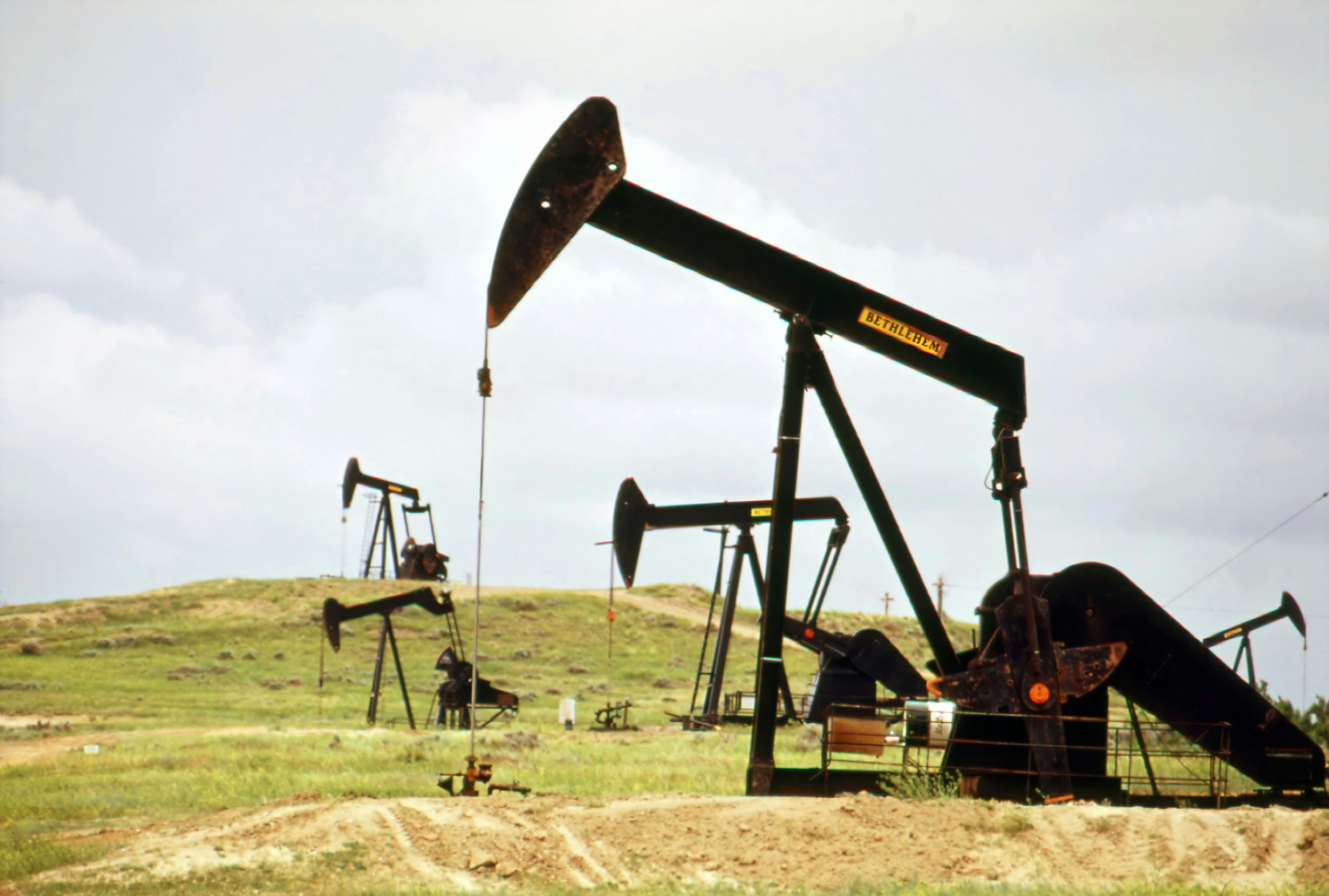
The short version
- Fort Stockton is the seat of Pecos County, which the Handbook of Texas calls the second largest county in Texas at 4,776 square miles. It is in RRC District 08, handled from Midland.
- Pecos County has produced oil since the 1920s, with the Handbook recording almost 1,505,424,000 barrels from 1926 through 1991, so old wells and old infrastructure are part of the work.
- Leaking abandoned wells in Pecos County, including the brine-fed Lake Boehmer, have drawn state attention, and a TCEQ grant program must use RRC-approved plugging contractors.
- Long distances on I-10 and U.S. highways make the auto program, radius and oversize permits central to a Fort Stockton contractor's insurance.
Fort Stockton and Pecos County in regulator terms
Fort Stockton has been the county seat of Pecos County since the county organized in 1875. The Handbook of Texas lists Interstate 10 and U.S. Highways 67 and 385 through town, and U.S. 285 runs north across the county to Fort Stockton.
Pecos County is huge: the Handbook calls it the second largest county in Texas, at 4,776 square miles, with Fort Stockton about 75 air miles southwest of Odessa. It borders Ward, Crane and Crockett counties to the north, Terrell to the east, Brewster to the south, and Jeff Davis and Reeves to the west.
- RRC oil and gas district: District 08, handled from the Midland district office.
- TxDOT district: Odessa.
For insurance, size is the headline. A Fort Stockton yard can send crews a long way in any direction without leaving the county, and that shows up in your auto rating and in how fast you can reach a job.
| Item | Detail |
|---|---|
| County | Pecos (county seat: Fort Stockton) |
| County size | 4,776 square miles (Handbook of Texas) |
| RRC oil and gas district | District 08, Midland office |
| TxDOT district | Odessa |
| Main highways | I-10, U.S. 67, U.S. 285, U.S. 385 |
A century of production: Yates, gas and sulfur
Oil and gas have dominated Pecos County's economy since the 1920s. The Handbook of Texas says the Yates field, opened in the late 1920s, was one of the largest in the nation at the time, and that the county produced almost 1,505,424,000 barrels of crude from 1926 through January 1, 1991. The largest gas field in the county opened in 1952 on a ranch south of Fort Stockton. By 1980, the Handbook describes Fort Stockton as a major center for the production, processing and distribution of oil, gas and sulfur.
The RRC lists Pecos County among the 61 Texas counties of the Permian Basin.
A long production history means the local work leans toward lease maintenance, well servicing, workover and plugging on older wells. That shifts what matters in your MSA:
- Loss of hole and underground damage on old wellbores. See underground resources and equipment coverage.
- Care, custody and control when you handle the operator's equipment. See the CCC exclusion.
- Pollution from old lines, tanks and wells. See below.
Leaking legacy wells and plugging work
Pecos County is at the center of Texas reporting on leaking abandoned wells.
The Texas Tribune reports that Lake Boehmer, about 60 acres, formed after an abandoned well in Pecos County began releasing salty brine more than two decades ago and is still leaking. Reports say the lake emits hydrogen sulfide. The RRC's position, per its spokesperson, is that the well has been outside its jurisdiction since 1951 because it is a water well. The Middle Pecos Groundwater Conservation District has asked the RRC to add wells to its orphan-well list and has filed a complaint against the commission.
Inside Climate News reported a separate abandoned well that erupted near Imperial, in Crane County about ten miles from Lake Boehmer, with inspectors estimating about 14,000 gallons an hour flowing out. The RRC paid $2.5 million to plug it and clean up.
The state's response includes a TCEQ leaking water well grant program created by House Bill 4256 in 2023, with $10 million. The Tribune reports TCEQ must use RRC-approved plugging contractors and consult the commission on plugging plans.
If you do plugging, workover or cleanup on wells like these:
- Your GL pollution exclusion likely takes most release claims off the table. You need contractors pollution liability.
- Read the MSA for who takes pollution that originates in the well versus pollution from your equipment. See oilfield pollution liability.
- Brine and H2S at the surface are both on the table. Rule 36 training records matter.
Which policy answers a pollution loss
Ground movement, distance and oversize moves
Ground movement. A 2018 Southern Methodist University radar study covering parts of Winkler, Ward, Reeves and Pecos counties named Fort Stockton and Imperial among affected towns, found subsidence around Imperial from three-quarters of an inch to nearly 4 inches, and recommended close monitoring of roads and oil facilities southwest of Imperial. Ask whether your equipment floater excludes earth movement or collapse.
Distance. Fort Stockton sits at I-10 and several U.S. highways in a county of almost 4,800 square miles. Long runs add up to auto exposure. Expect your auto underwriter to look at radius, driver records and mileage. See oilfield auto insurance and MCS-90.
Oversize and overweight. Texas OS/OW permits are issued by TxDMV through TxPROS. Legal limits without a permit include 8 feet 6 inches wide and 80,000 pounds gross. TxDMV has specific permit types for well servicing units, unladen lift equipment, fracking trailers and rig-up trucks, and publishes permit restrictions by county and district. Make sure every permitted unit is on your auto schedule and your equipment floater covers it in transit.
What to send us from Fort Stockton
To review a Fort Stockton program, send:
- The insurance exhibit and indemnity sections of each MSA, and any separate plugging or abandonment contract.
- Your current certificates, and any ISNetworld, Avetta or operator rejection.
- Whether you do plugging, cleanup or work on abandoned wells, and for whom.
- Your equipment schedule and vehicle list with garaging and typical radius.
We will check whether your pollution coverage, limits and endorsements match the work and the contract. Coverage is placed through a licensed Texas insurance agency. Contact an expert or start a review.
Common questions
Which RRC district covers Fort Stockton?
Pecos County is in RRC District 08, handled from the Midland district office.
Does my general liability cover a brine release while plugging an old well?
Usually not. Most GL policies carry a pollution exclusion. Plugging and cleanup work on old wells needs contractors pollution liability, and the MSA decides who takes a release that starts in the well.
Who plugs leaking water wells under the TCEQ grant program?
According to Texas Tribune reporting, TCEQ must use RRC-approved plugging contractors and consult with the commission on plugging plans.
Do I need a permit to move a workover rig on I-10?
If the unit exceeds Texas legal size or weight, yes. TxDMV issues oversize and overweight permits, including annual permits for well servicing units.
Sources
- Railroad Commission of Texas: Oil and gas district offices by county. County to district assignments used on this page.
- Railroad Commission of Texas: Locations. District office cities and addresses: District 08 in Midland, District 7C in San Angelo.
- Railroad Commission of Texas: Permian Basin. Delaware Basin (Bone Spring and Wolfcamp) and Midland Basin (Spraberry and Wolfcamp); the 61 affected counties.
- Handbook of Texas: Fort Stockton, TX. County seat since 1875; I-10, U.S. 67 and 385; oil, gas and sulfur center.
- Handbook of Texas: Pecos County. Second largest county, 4,776 square miles; borders; Yates field; cumulative production; 1952 gas field; U.S. 285.
- Texas Tribune: Texas regulators grapple with old oil wells leaking polluted water (Feb. 2025). Lake Boehmer; RRC jurisdiction position; Middle Pecos GCD complaint; HB 4256 $10 million TCEQ program and RRC-approved plugging contractors.
- Inside Climate News: Leaking, exploding abandoned wells in West Texas (Feb. 2024). Crane County well eruption near Imperial; 14,000 gallons per hour; $2.5 million RRC plugging and cleanup.
- SMU Research: Radar images show West Texas oil patch heaving and sinking (2018). About 4,000 square miles in Winkler, Ward, Reeves and Pecos counties; uplift and subsidence near named towns.
- TxDMV: Oversize/overweight permits. TxDMV issues OS/OW permits through TxPROS; well servicing unit, unladen lift, fracking trailer and rig-up truck permit types.
- TxDMV: Texas size and weight limits. 8 ft 6 in width, 14 ft height, 80,000 lb gross and axle limits.
- TxDOT: Odessa District. Counties in the TxDOT Odessa District, including Pecos, Reeves, Upton, Ward and Winkler.
This page explains insurance, not law. Have your attorney review indemnity and contract language; our job is making the insurance match it.
Keep reading
Coverage
Does my oilfield GL cover a spill, or do I need separate pollution coverage?
Questions
What is contractors pollution liability insurance?
By trade
What insurance does a workover or well servicing rig need under an operator MSA?
Coverage
What auto insurance does my oilfield fleet need, and what is the MCS-90 for?
Basin
What changes about my insurance when I work the Permian, including New Mexico?